Discover what Calpe is like in winter, from mild Mediterranean weather and peaceful beaches to scenic coastal walks, traditional markets and welcoming restaurants. Whether you're planning a December holiday, escaping the colder weather in January or enjoying a longer stay on the Costa Blanca, this guide covers the best things to do in Calpe in winter, where to stay, what remains open and practical tips for visiting between November and March.
23rd November 2026
Calpe is best known for its beautiful beaches, lively summer atmosphere and the impressive Peñón de Ifach, but this popular Costa Blanca destination has just as much charm during the quieter winter months.
As the summer crowds disappear, Calpe takes on a more relaxed atmosphere. Its promenades become peaceful places for morning walks, traditional cafés welcome visitors for coffee in the sunshine, and the cooler temperatures create ideal conditions for exploring the surrounding countryside.
Unlike some holiday resorts that become almost deserted outside the summer season, Calpe has an established year-round population, meaning many shops, supermarkets, restaurants and everyday services remain open throughout winter.
For visitors looking to escape the colder northern European weather, enjoy an affordable off-season break or discover the Costa Blanca at a slower pace, Calpe in winter offers an appealing combination of sunshine, scenery and traditional Spanish life.
Although the weather is not consistently warm enough for a beach holiday, there are plenty of activities to enjoy, from hiking and sightseeing to exploring nearby towns and enjoying leisurely lunches by the sea.
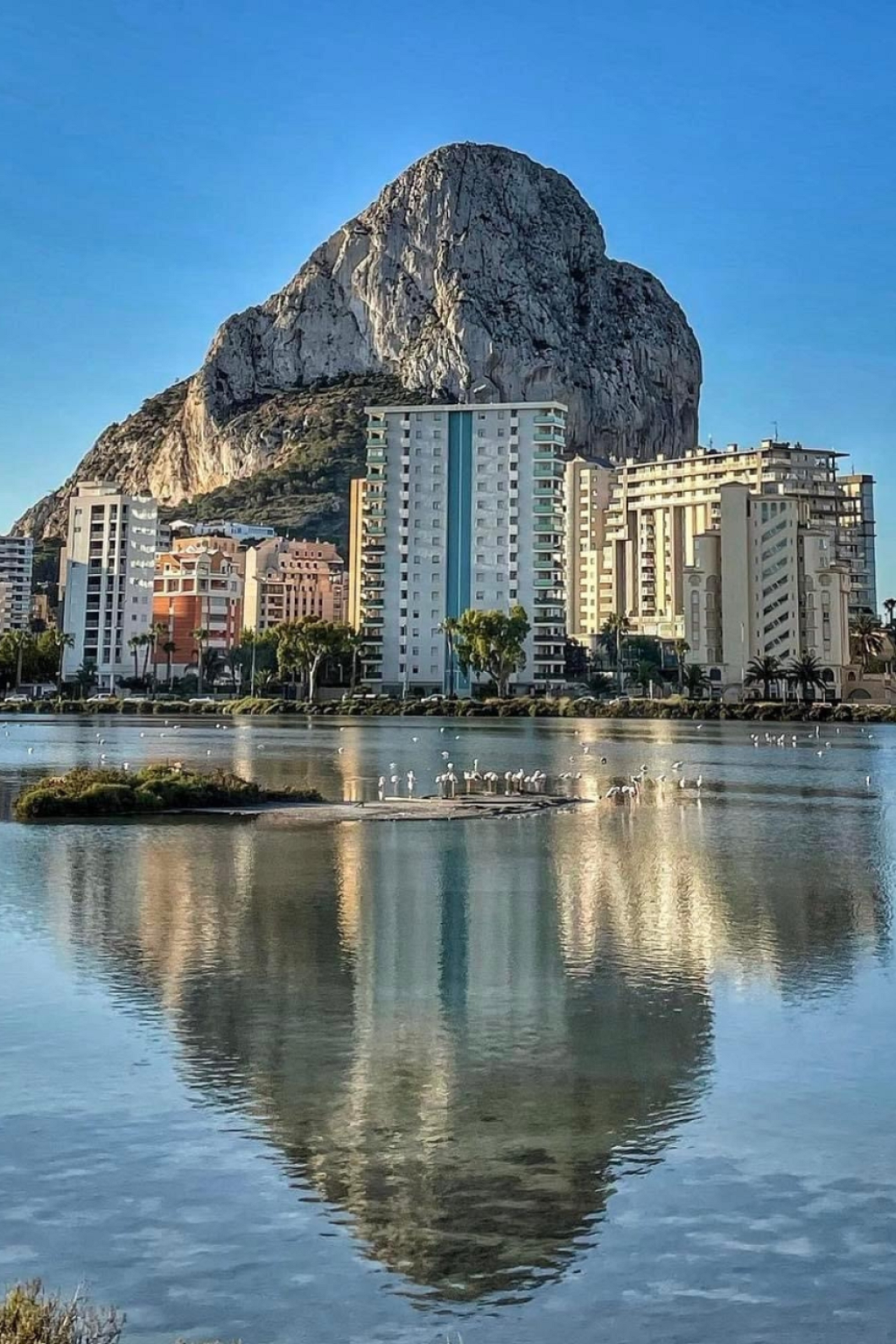
One of the biggest attractions of visiting Calpe during winter is its relatively mild Mediterranean climate.
While northern Europe experiences freezing temperatures, short days and frequent rain, Calpe generally enjoys milder daytime conditions and regular periods of sunshine.
Winter temperatures vary depending on the month, with December, January and February typically being the coolest period.
Typical daytime temperatures are approximately:
November: 18–21°C – Mild autumn conditions and pleasant walking weather.
December: 16–18°C – Cooler evenings, sunshine and occasional rain.
January: 15–17°C – Usually the coolest month, with chilly mornings and nights.
February: 16–18°C – Mild afternoons and gradually longer days.
March: 17–20°C – Early spring weather, with increasing daylight.
These are approximate regional ranges rather than guaranteed daily temperatures. Nights can be significantly colder, and windy or wet weather can make conditions feel cooler.
Calpe's winter climate is generally suitable for walking, sightseeing and outdoor dining on sunny days.
However, visitors should pack layers, including a warm jacket for evenings and an occasional waterproof.
Calpe generally experiences fewer rainy days than many northern European destinations, although rainfall is still possible.
Some winter weeks are bright and dry, while others can bring showers, stronger winds or periods of unsettled weather.
Visitors should also be aware that Mediterranean storms can occasionally produce heavy rainfall.
If you are planning outdoor activities, check the local forecast and any weather warnings before setting out.
Winter is one of the most enjoyable times to explore Calpe's natural attractions, historic streets and surrounding landscapes.
With fewer visitors and cooler temperatures, many of the town's most popular sights can be experienced at a more relaxed pace.
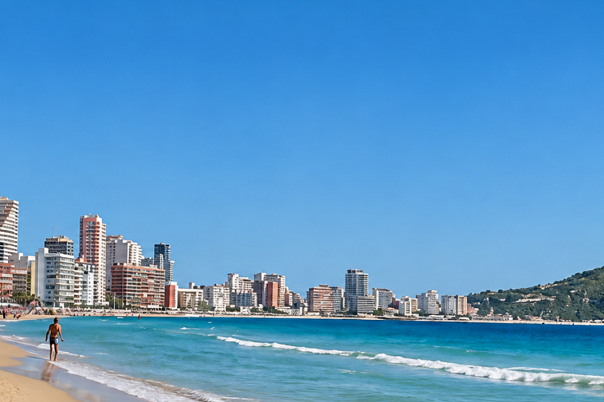
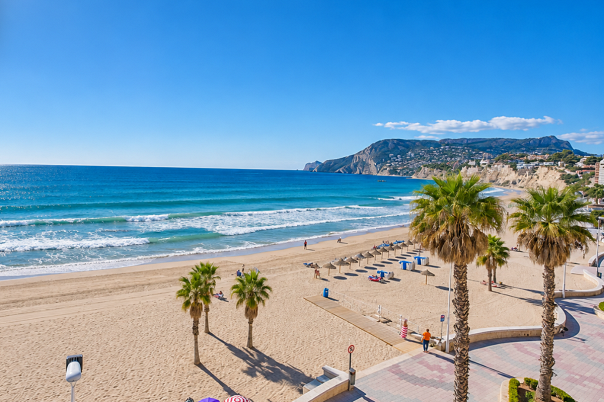
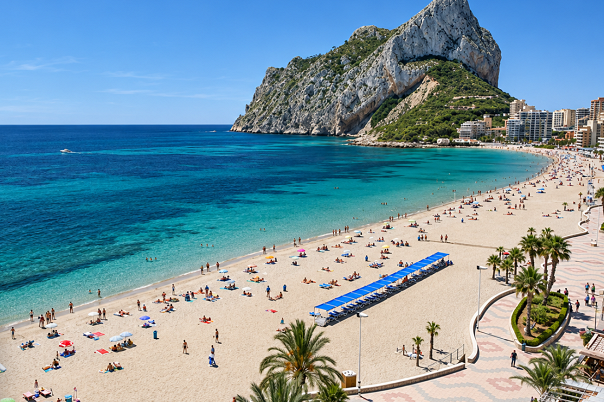
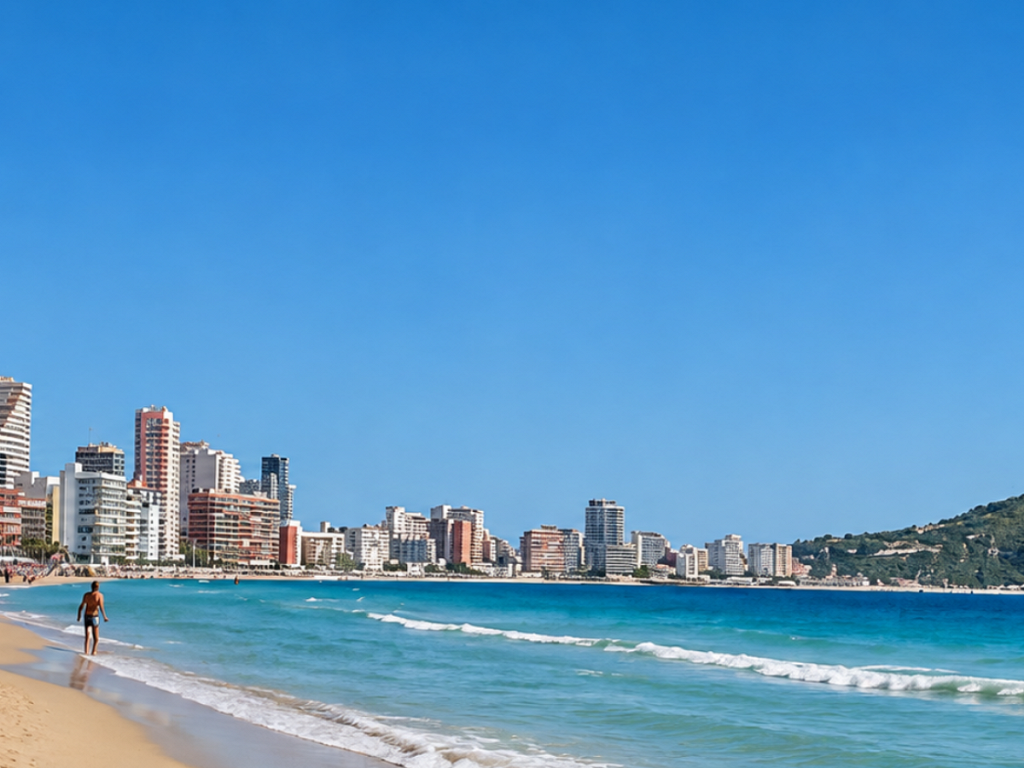
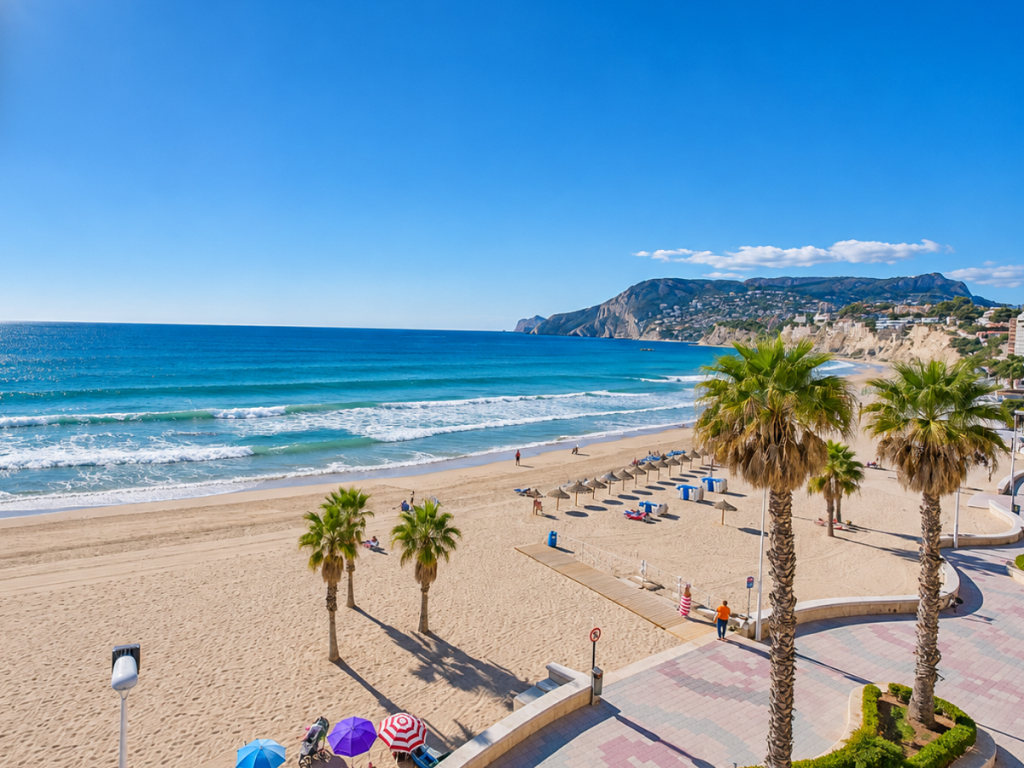
Arenal-Bol is one of Calpe's most attractive beaches, stretching along the coastline between the town centre and the port.
During summer, the beach is filled with sunbathers and families enjoying the Mediterranean. In winter, it becomes a wonderful place for a peaceful walk beside the sea.
The seafront promenade offers beautiful views of the Peñón de Ifach, with cafés and restaurants providing opportunities to stop for refreshments.
Early mornings are particularly pleasant, when the promenade is quieter and the light over the Mediterranean is beautiful.
The paved promenade also provides an accessible alternative to walking directly on the sand, although individual access points may vary.
Find out more in our Guide to Arenal-Bol Beach.
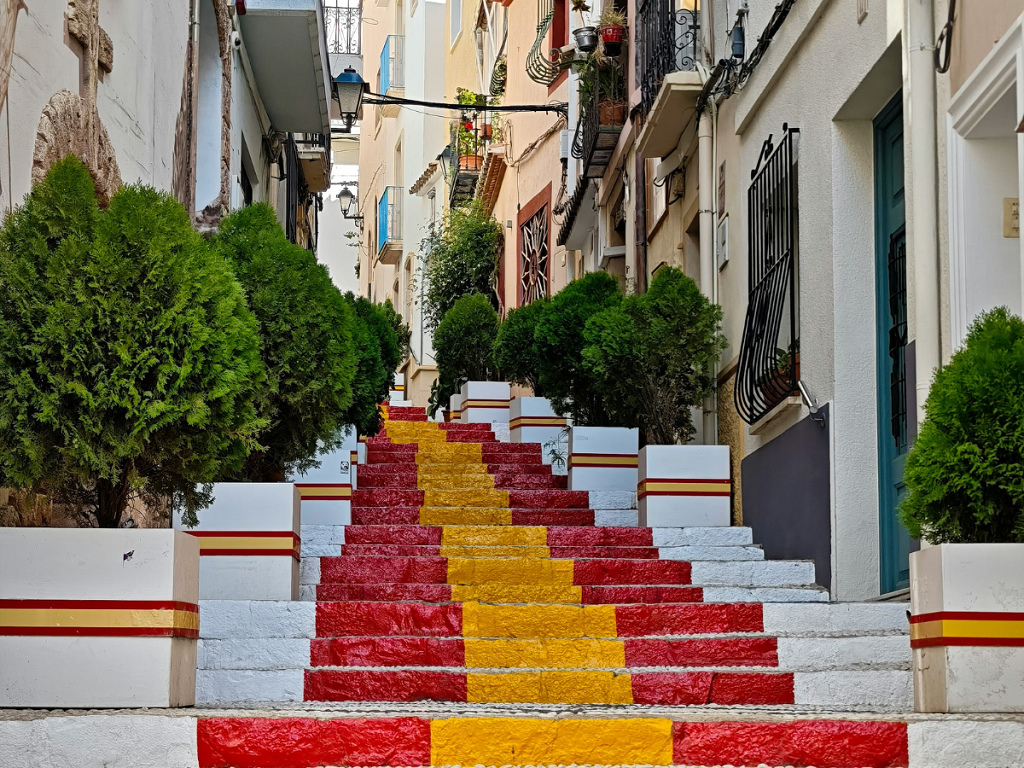
Calpe Old Town is particularly enjoyable during winter, when the cooler weather makes exploring its historic streets much more comfortable.
Located above the modern town centre, the Old Town is home to narrow streets, colourful murals, traditional buildings and small squares.
Highlights include:
The historic Torreó de la Peça
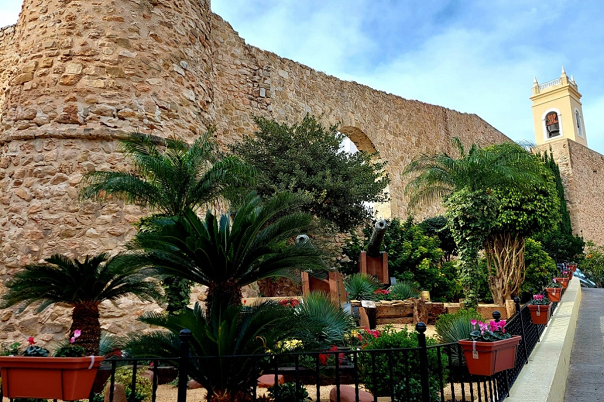
The remains of Calpe's defensive walls
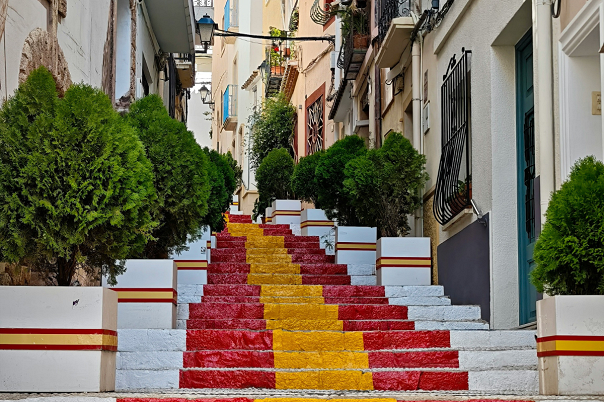
The colourful Spanish flag steps on Calle Puchalt
Traditional streets and painted murals
Historic churches and local museums
Small cafés and traditional restaurants
The Old Town provides a different experience from Calpe's beachside areas, offering visitors an insight into the town's history and local culture.
Allow approximately 60–90 minutes for a relaxed walk, or longer if you plan to stop for coffee or visit the museums.
Follow our Calpe Old Town Self-Guided Walking Route.
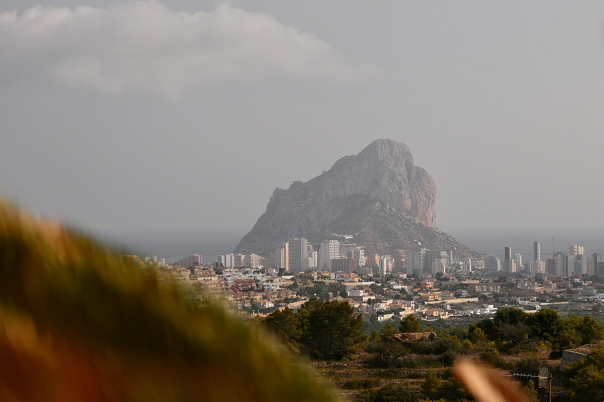
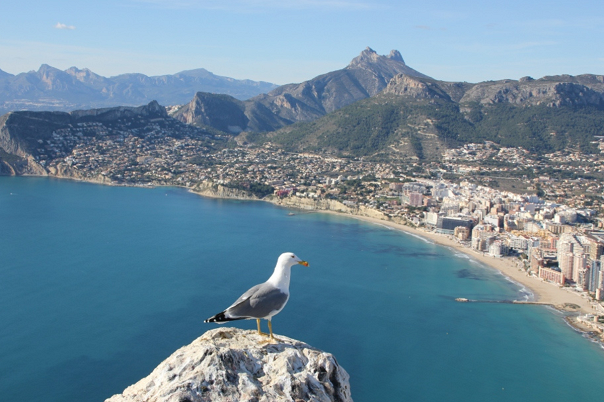
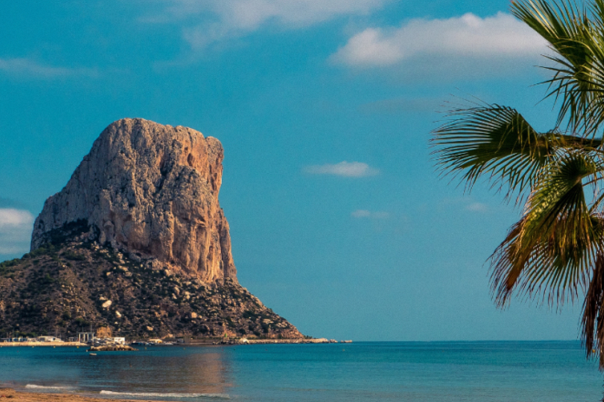
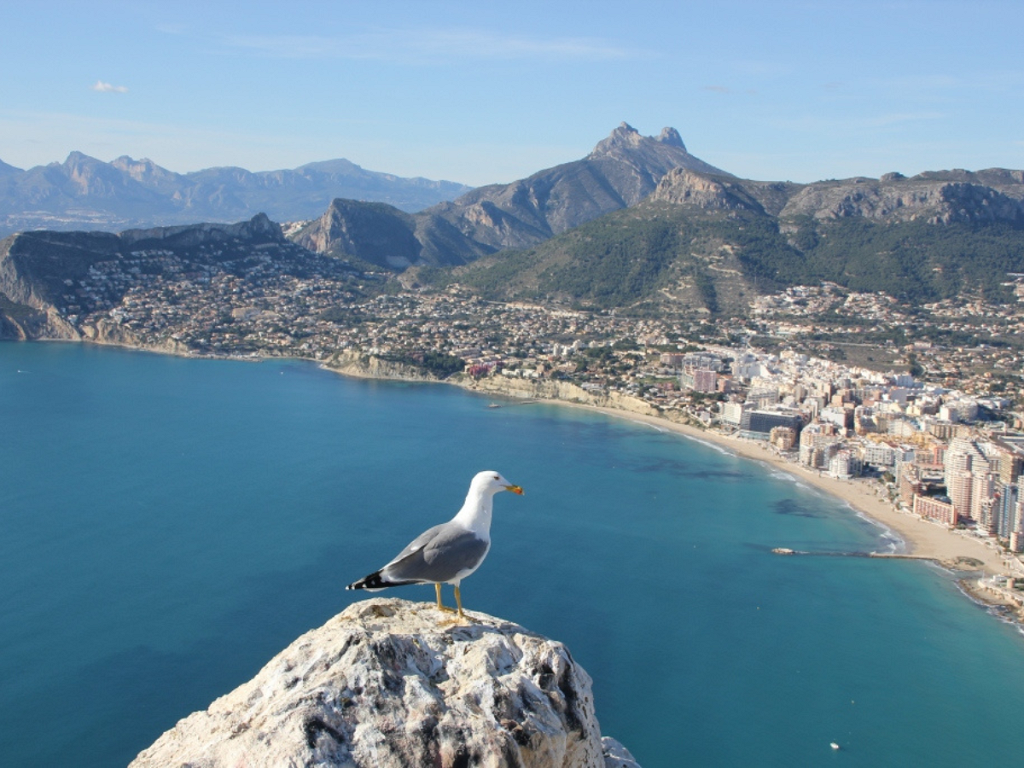
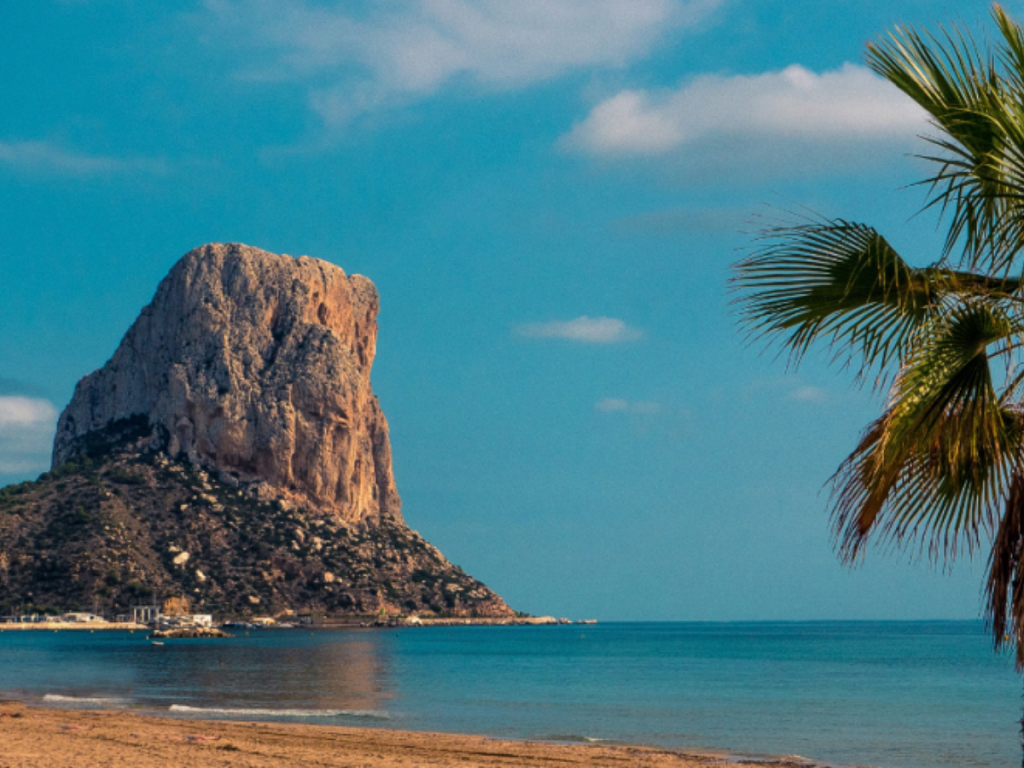
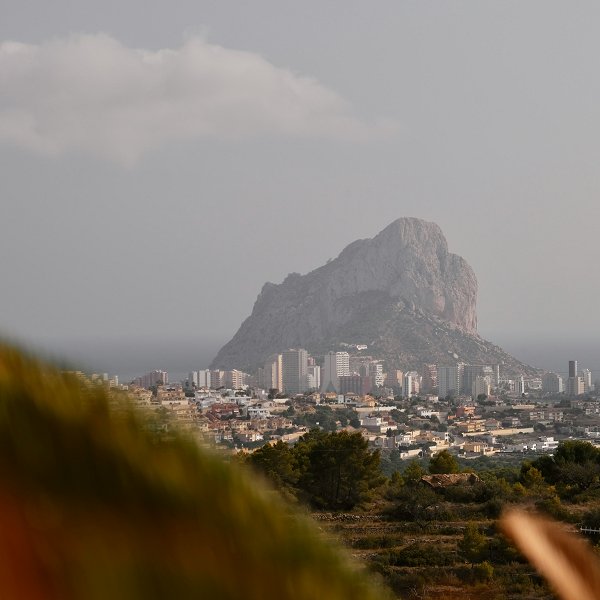
The Peñón de Ifach is Calpe's most famous landmark, rising approximately 332 metres above the Mediterranean Sea.
The cooler winter months can provide excellent conditions for walking in the surrounding natural park, particularly compared with the intense summer heat.
Visitors can enjoy impressive views of the rock from the nearby harbour, beaches and coastal promenades without needing to climb to the summit.
For experienced walkers, climbing the Peñón is one of Calpe's most memorable outdoor activities.
However, the upper route is steep, rocky and exposed, and should only be attempted in suitable conditions by people with appropriate footwear and experience.
Access to the protected route is regulated, with advance reservations required under the natural park's visitor management arrangements.
Never attempt the climb during strong winds, heavy rain or when the rocks are wet and slippery.
Read our Guide to Climbing the Peñón de Ifach.
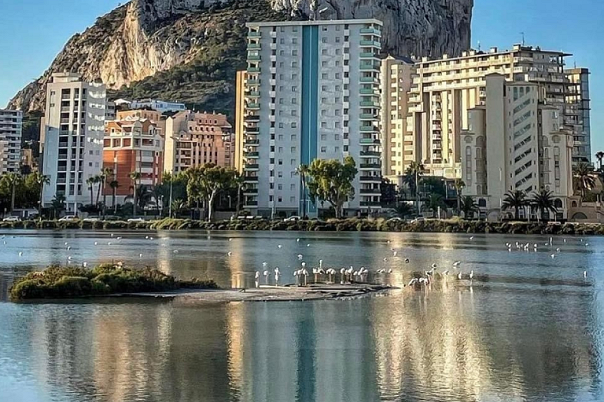
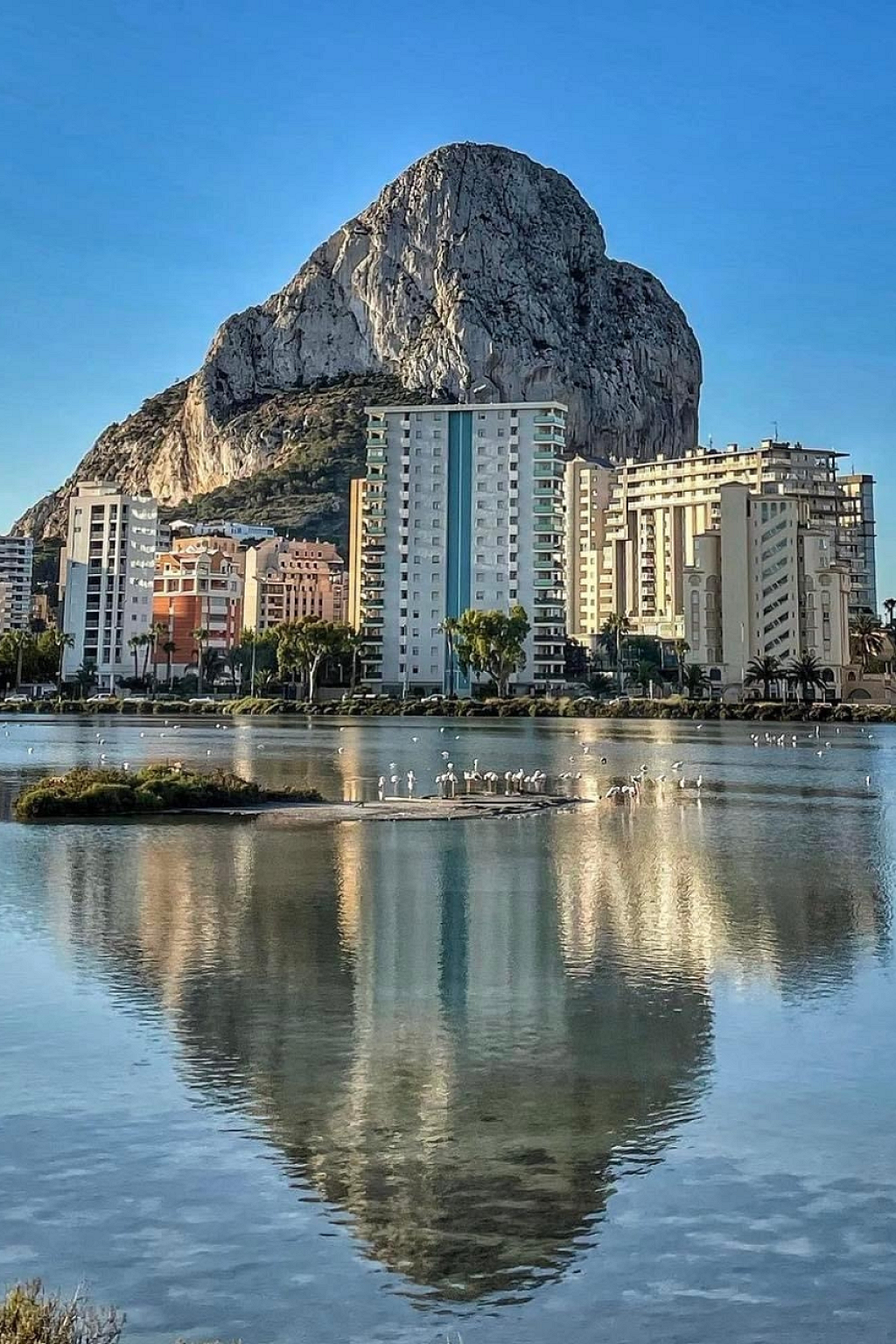
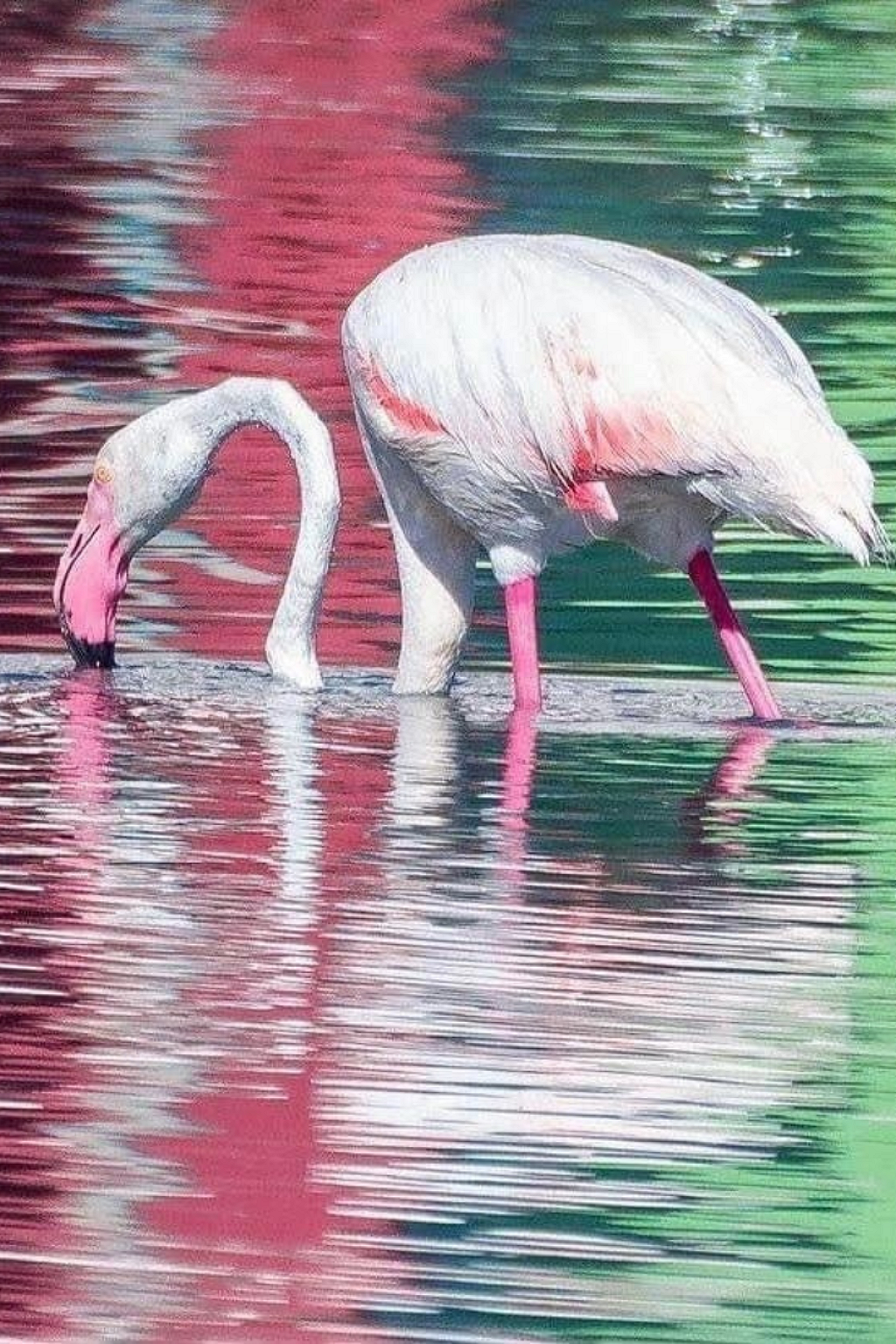
Located close to the Peñón de Ifach, Las Salinas de Calpe is a distinctive saltwater lagoon surrounded by the modern town.
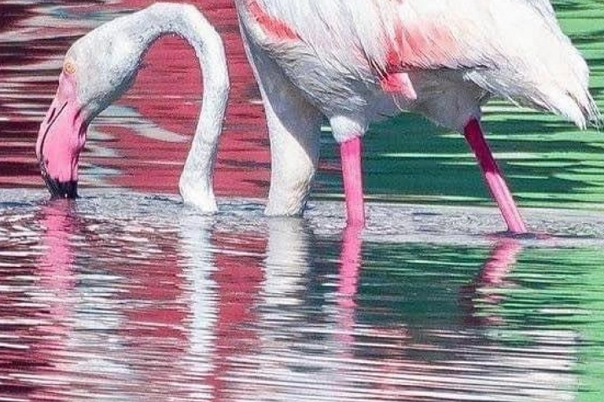
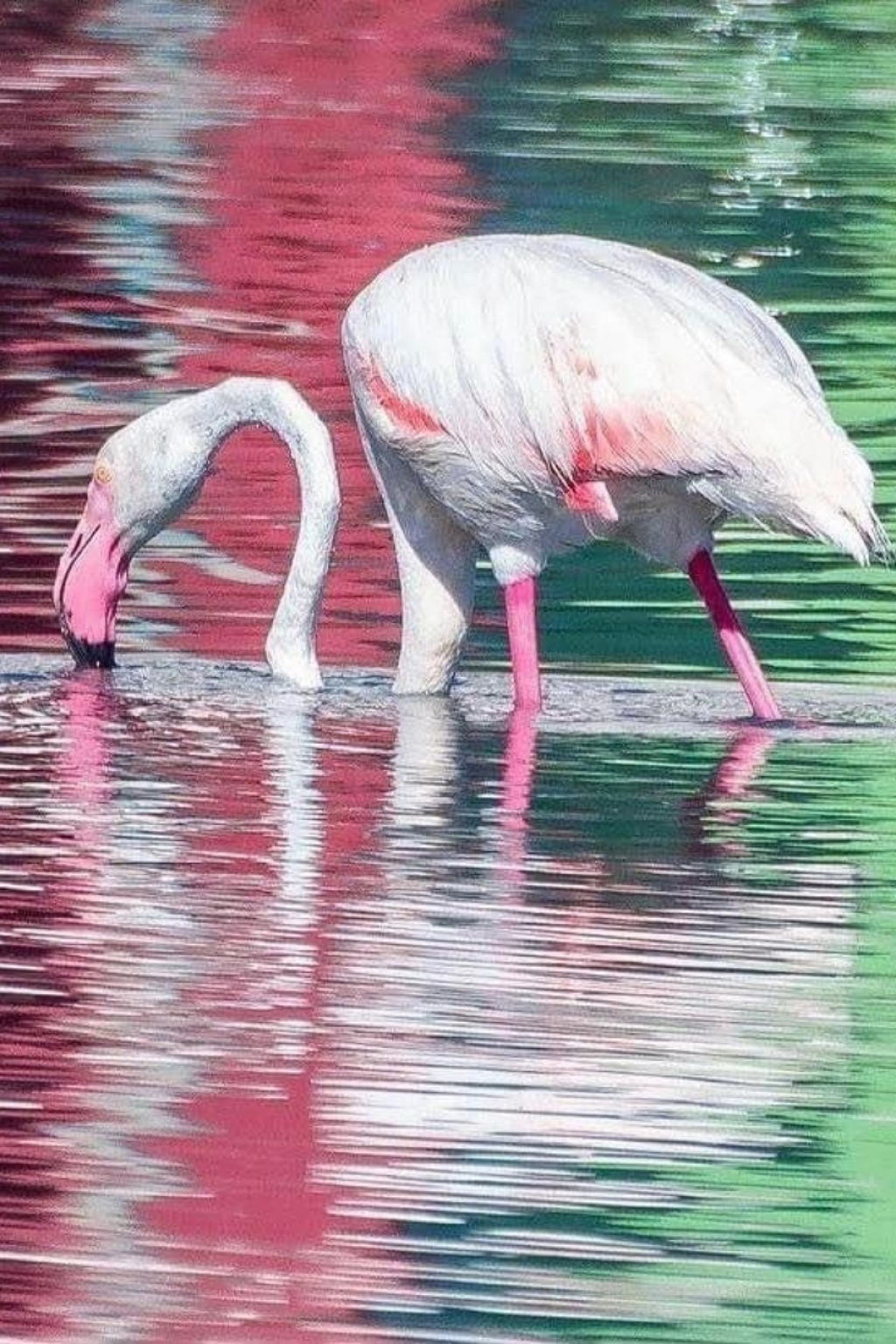
The protected wetland attracts a variety of bird species, including flamingos, making it a popular location for nature lovers and photographers.
Winter can be an enjoyable time to visit, with comfortable walking temperatures and opportunities for birdwatching.
Flamingo numbers vary throughout the year, so sightings and large gatherings are never guaranteed.
Visitors can enjoy views of the lagoon from surrounding public areas while keeping a respectful distance from wildlife.
The contrast between the lagoon, flamingos, town buildings and dramatic Peñón creates one of Calpe's most unusual landscapes.
Discover more in our Guide to Las Salinas de Calpe.
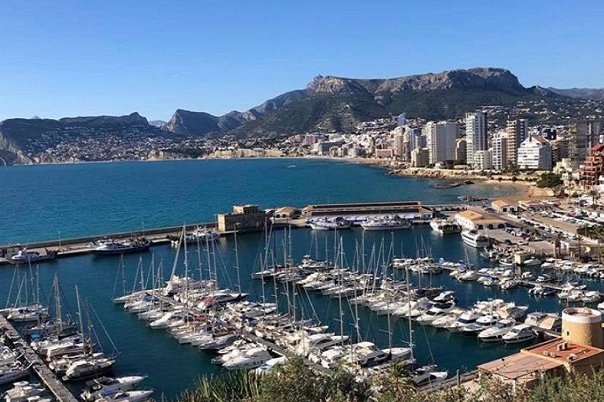
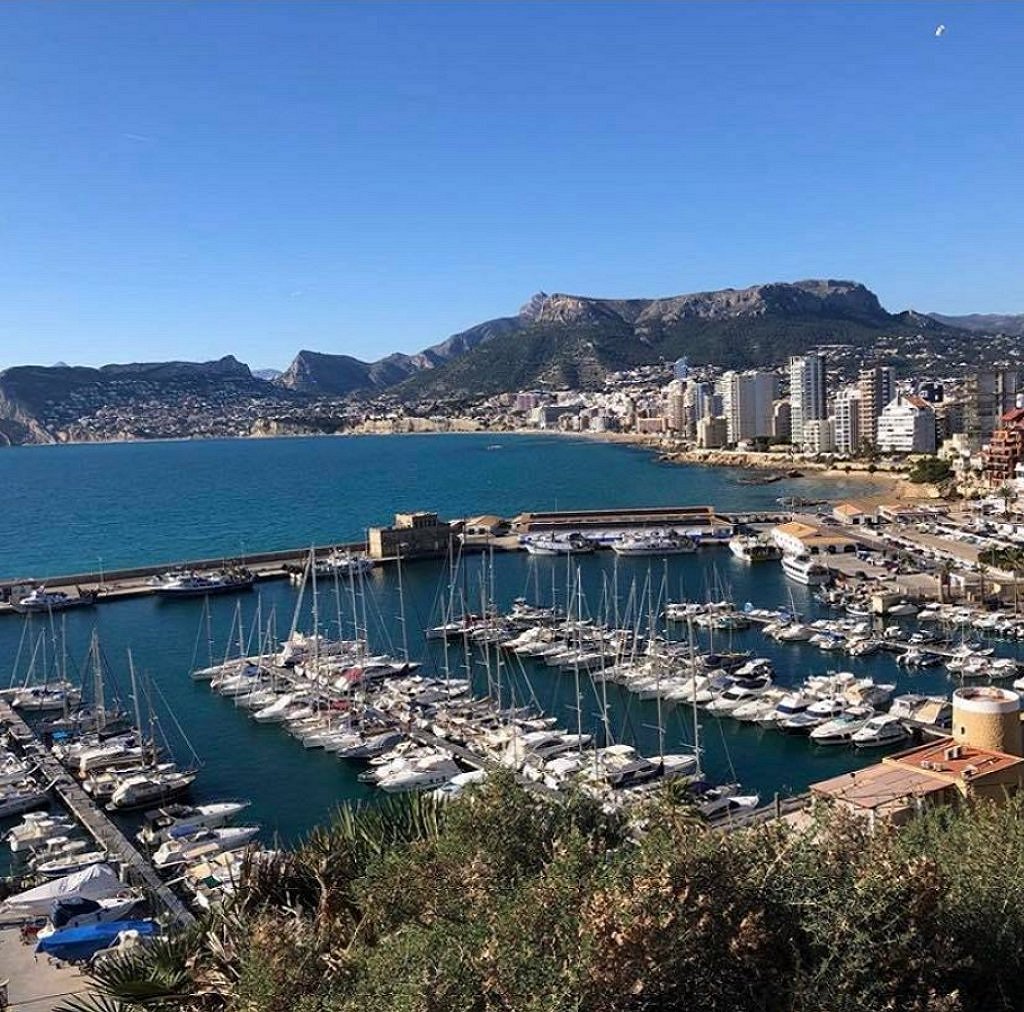
Calpe Port and Marina is a wonderful destination for a winter afternoon, combining traditional fishing activity with waterfront restaurants and beautiful coastal scenery.
Located at the foot of the Peñón de Ifach, the harbour is home to fishing boats, recreational yachts and the Real Club Náutico de Calpe.
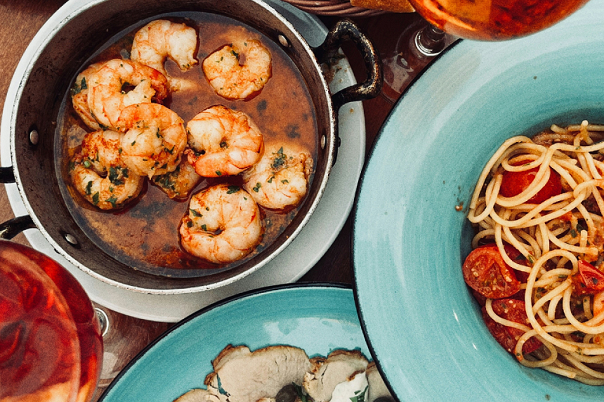
Visitors can explore the harbour, watch boats arriving and departing, and enjoy fresh seafood at one of the surrounding restaurants.
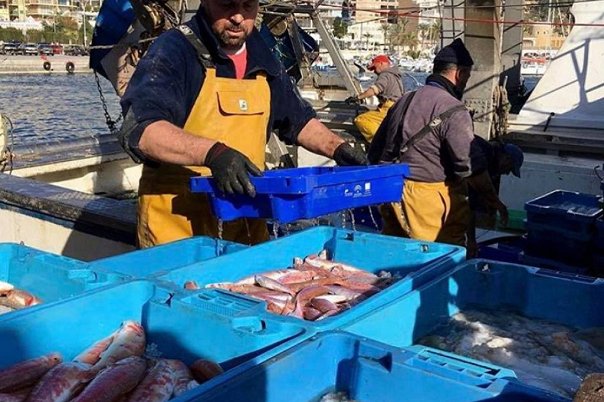
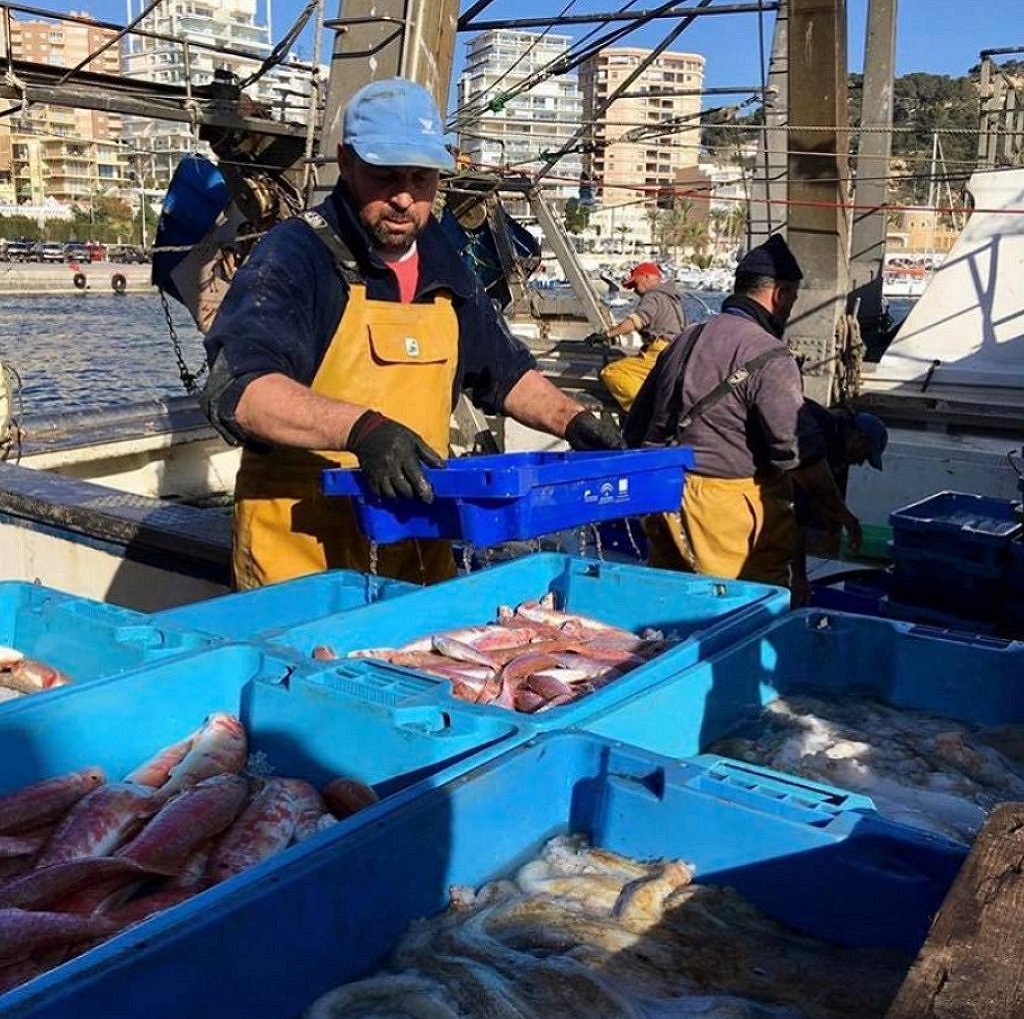
The traditional fish auction, held on working weekdays subject to fishing activity, is one of the town's most interesting experiences. Visitors should check the current viewing arrangements before attending.
The port is also close to Cantal Roig Beach and Cala El Racó, making it easy to combine sightseeing with a coastal stroll.
Read our Calpe Port and Marina Visitor Guide.
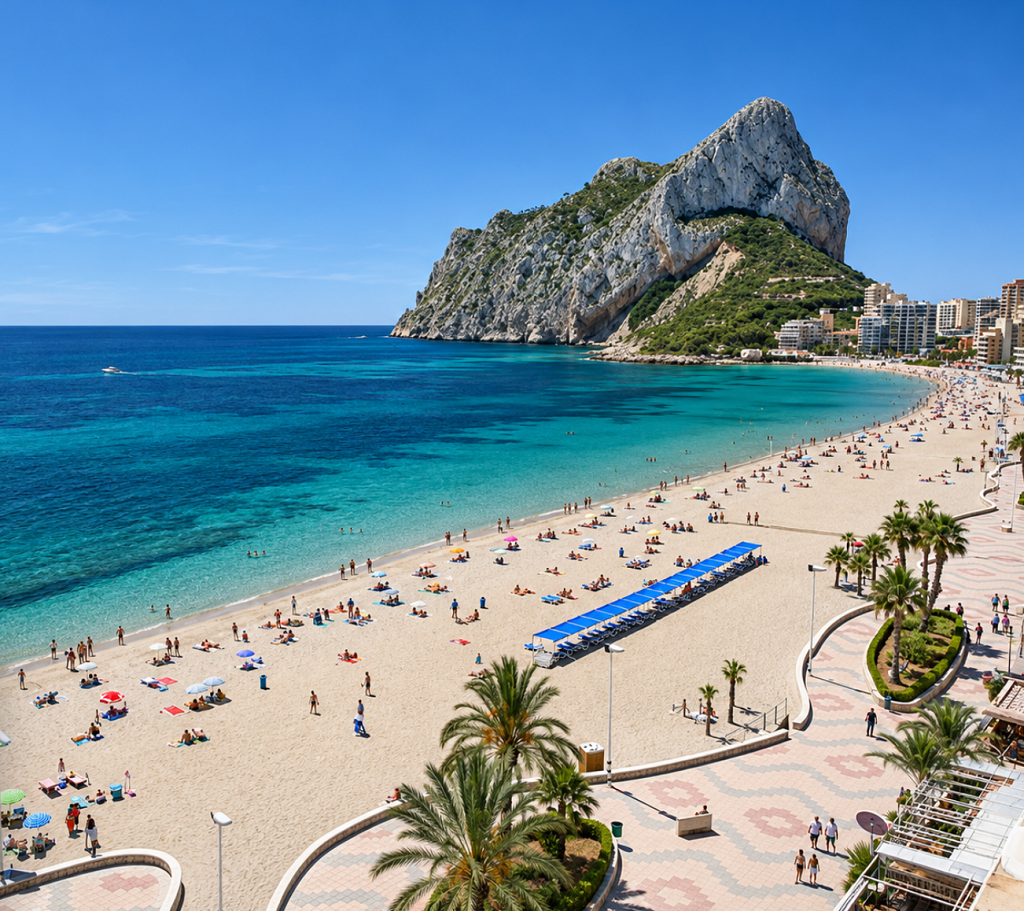
La Fossa, also known as Levante Beach, is another beautiful place to enjoy Calpe in winter.
The long sandy beach is backed by a wide promenade with restaurants, cafés and stunning views of the Peñón de Ifach.
Although the area is considerably quieter than during summer, it remains popular with walkers and visitors enjoying the Mediterranean scenery.
A relaxed walk along the seafront followed by coffee or lunch is one of the simplest pleasures of a winter holiday in Calpe.
Some beachfront businesses remain open throughout the year, while others close temporarily or reduce their opening hours.
Explore our Guide to La Fossa Beach.
Winter is an excellent season for exploring Calpe on foot, with cooler temperatures making longer walks more comfortable.
Whether you prefer an easy promenade stroll or a more challenging countryside route, there are plenty of options.
Beginning near Cala El Racó at the foot of Calpe Rock, this scenic pedestrian route follows the lower edge of the Peñón de Ifach.
The route offers dramatic views of the limestone cliffs and Mediterranean Sea.
Difficulty: Easy
Best for: Families, couples and leisurely walks
For visitors wanting a longer countryside walk, Sierra de Oltà provides beautiful mountain scenery and panoramic views across Calpe.
The surrounding woodland and mountain paths make this a rewarding destination for walkers who enjoy nature and quieter surroundings.
Route length and difficulty depend on the chosen circuit, and some sections involve uneven terrain and significant climbing.
Difficulty: Moderate to challenging, depending on route
Best for: Experienced walkers and nature lovers
Located a short drive from Calpe, the Benissa Ecological Walk follows one of the most scenic sections of coastline between Calpe and Moraira.
The route passes Mediterranean coves, rocky cliffs and beautiful coastal viewpoints.
It is a particularly enjoyable winter excursion when the temperatures are mild and the paths are less crowded.
Difficulty: Easy to moderate, with steps and uneven sections
Best for: Coastal scenery and photography
For more detailed route descriptions, directions and walking advice, read our Best Walking Routes in Calpe Guide.
One of the advantages of visiting Calpe outside the summer season is that it remains an established residential town.
Unlike smaller seasonal resorts, Calpe has a year-round community, which helps support local restaurants, cafés, supermarkets and essential services.
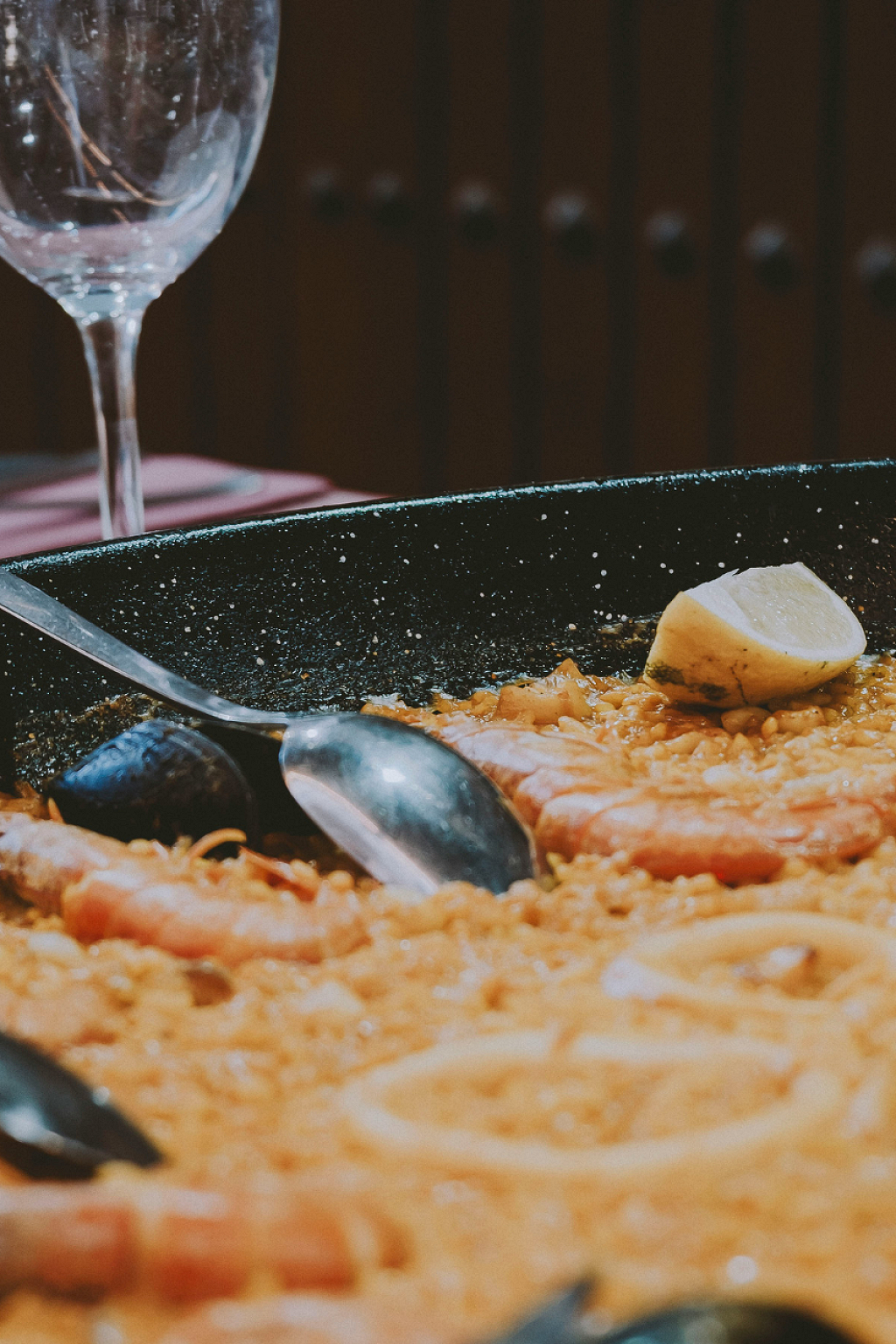
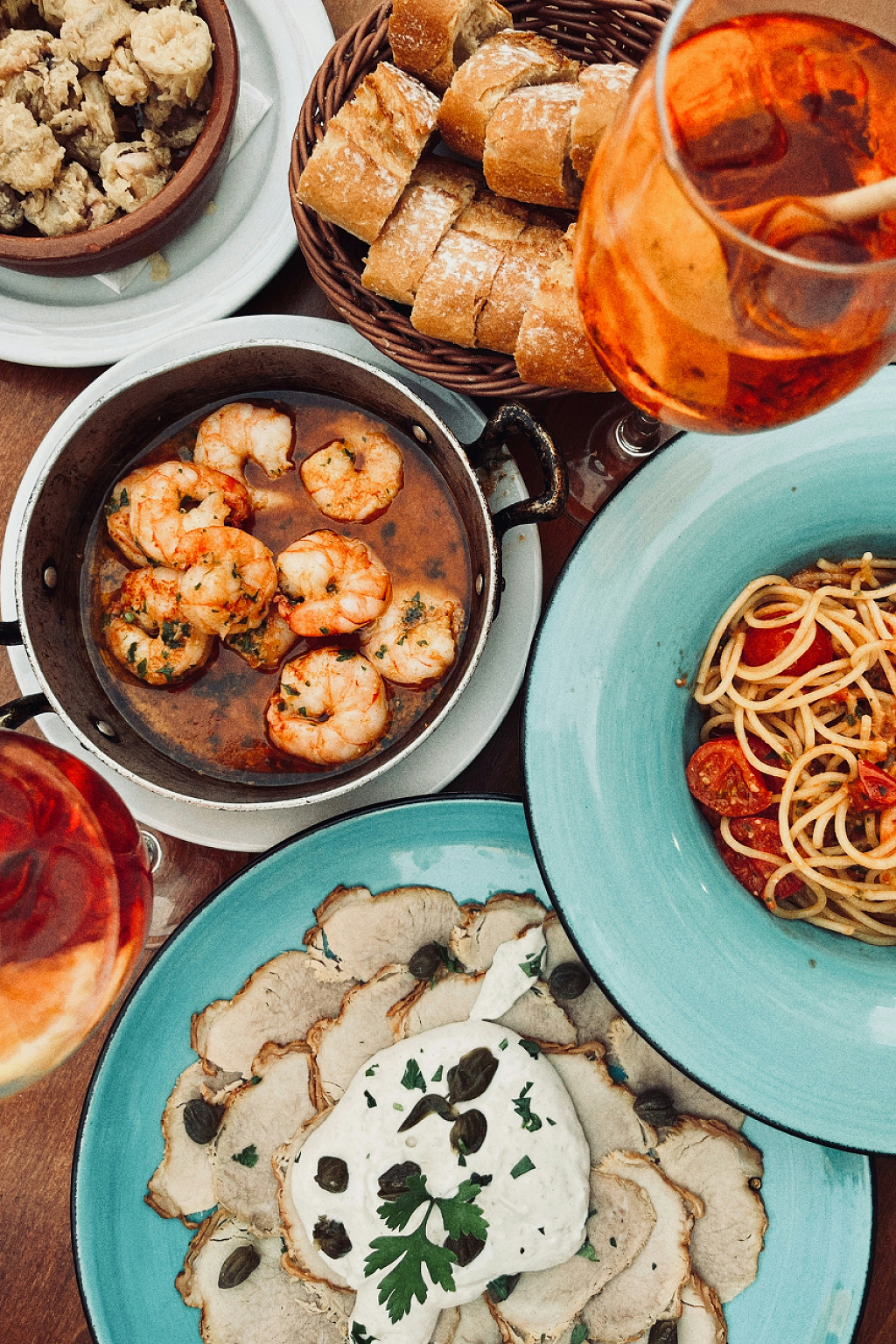
Many restaurants remain open during winter, particularly in the town centre, Old Town and some seafront locations.
However, visitors should expect a quieter atmosphere and some seasonal closures, especially around beach areas.
Restaurants may also reduce their opening days, close earlier in the evening or take annual holidays during January and February.
Calpe Old Town: A good choice for traditional Spanish restaurants, tapas and smaller cafés.
Arenal-Bol: Ideal for daytime coffee, lunch and enjoying the sea views.
Calpe Port: Known for its fresh seafood restaurants, particularly around the fishing harbour.
La Fossa: Offers a selection of seafront restaurants and cafés, although winter opening times vary.
Winter is also a good opportunity to try traditional Spanish lunchtime menus, known as menú del día, which are often available at local restaurants.
For more ideas, explore our Calpe Restaurant Guide.
Calpe's weekly markets are a great way to experience everyday Spanish life during the quieter months.
Unlike many summer-only attractions, the town's regular markets generally continue throughout the year, although arrangements may change during public holidays, bad weather or local events.
Calpe's Saturday market is one of the town's most popular weekly shopping experiences.
Visitors can browse stalls selling clothing, accessories, household goods, fresh produce and other market items.
The market generally takes place on Saturday mornings, with different sections located around the town centre.
It is a good place to experience the atmosphere of local shopping and enjoy a morning away from the seafront.
For current information, visit our Calpe Saturday Market Guide.
Calpe also hosts a weekly flea market, or rastro, generally held on Wednesday mornings.
Visitors can browse second-hand goods, clothing, household items and assorted bargains.
Market locations and operating arrangements can change, so check locally before visiting.
Winter is an enjoyable time to explore the markets without the intense summer heat.
Discover additional local markets in our Markets and Rastros Guide.
Choosing the right location can make a significant difference to your winter holiday.
During summer, many visitors prioritise beachfront accommodation and swimming pools. In winter, walkability, nearby restaurants, supermarkets and heating become more important.
Best for: Longer stays, local atmosphere and everyday convenience.
Staying near the town centre provides access to supermarkets, shops, cafés and local services.
This is particularly convenient for visitors staying several weeks or travelling without a car.
The Old Town itself has plenty of character, although its narrow streets, hills and steps may not suit everyone.
Best for: Couples, winter visitors and those wanting a balance of beach and town.
Arenal-Bol is one of the most convenient areas for a winter holiday.
Visitors can enjoy the beachfront promenade while remaining within walking distance of the town centre, shops and restaurants.
This makes it a good choice for those who want sea views without being dependent on a car.
Best for: Beachfront apartments, sea views and relaxed holidays.
La Fossa offers attractive seafront accommodation with impressive views towards the Peñón de Ifach.
The promenade is excellent for morning walks, and there are restaurants and shops in the surrounding area.
However, some businesses operate seasonally, so visitors staying in winter should check which nearby amenities remain open.
Best for: Peaceful villa holidays, privacy and scenic views.
Calpe's hillside residential areas offer a quieter setting, often with spacious villas and panoramic coastal views.
These locations can be particularly appealing for visitors seeking privacy or travelling with a car.
However, they are generally less convenient for walking to restaurants, supermarkets and beaches.
Accommodation may also be more exposed to cooler evening temperatures, making adequate heating especially important.
For a detailed comparison, read our Guide to Calpe's Areas and Neighbourhoods.
A winter holiday rental requires slightly different considerations from a summer booking.
Before reserving accommodation, check:
Heating: Does the property have effective heating or air conditioning with a heating function?
Sun exposure: Does the balcony or terrace receive sunshine during the winter months?
Insulation: Some older properties can feel cold indoors, particularly overnight.
Nearby amenities: Are supermarkets, restaurants and cafés within walking distance?
Parking: Is parking available, and are there any additional charges?
Internet: Is reliable Wi-Fi included, particularly for longer stays?
Electricity costs: Are heating and electricity included in the advertised rental price?
Pool facilities: If the property has a swimming pool, is it heated and available during winter?
Properties that are comfortable during hot summer weather are not necessarily well suited to cooler winter evenings.
For longer holidays, a centrally located apartment with reliable heating and nearby amenities may be more practical than a remote villa.
December brings a festive atmosphere to Calpe, with Christmas decorations, seasonal events and traditional Spanish celebrations.
The town may host Christmas markets, children's activities, performances and other festive entertainment organised by the council and local community groups.
Visitors can also enjoy Christmas shopping, festive meals and seasonal activities in nearby Costa Blanca towns.
One of the most important celebrations in Spain takes place on 5 January, when many towns hold their traditional Three Kings parade, known as the Cabalgata de Reyes.
This colourful celebration usually features the arrival of the Three Kings, music and family entertainment.
The following day, 6 January, is Three Kings Day and a public holiday in Spain.
Visitors staying in Calpe during early January should check the official local programme for parade routes, starting times and any road closures.
For upcoming celebrations and confirmed dates, consult the official Calpe Tourist Information website.
Calpe can be explored on foot, by car and using local public transport.
Visitors staying centrally, particularly around Arenal-Bol and the town centre, may find that many everyday amenities are within walking distance.
However, a car is useful for exploring inland villages, more remote beaches and surrounding countryside.
Parking is generally easier during winter than in July and August, although busy market mornings, public holidays and local events can still create congestion.
Regulated parking zones may operate outside summer, so always check local signs and payment requirements.
Read our Complete Guide to Parking in Calpe.
Calpe is served by local buses and the Alicante–Dénia TRAM network, offering connections to towns along the Costa Blanca.
The Calp TRAM station is situated away from the main beach and town-centre areas, so visitors should plan how to reach their accommodation.
Winter timetables may differ from summer services.
Read our Calpe TRAM Station Guide.
Although Calpe enjoys milder winters than many northern European destinations, visitors should pack for changing weather conditions.
Useful items include:
Lightweight clothing for sunny afternoons
Jumpers and warmer layers
A jacket for cooler evenings
Comfortable walking shoes
A waterproof jacket or small umbrella
Sunglasses and sun protection
Appropriate footwear for hiking
Swimwear if your accommodation has a heated indoor pool
A combination of light daytime clothing and warmer evening layers is usually the most practical approach.
Calpe is noticeably quieter between November and March, particularly compared with the busy summer months.
Beaches are less crowded, restaurants are generally easier to book and the town has a more relaxed atmosphere.
However, Calpe does not completely close for winter.
Its year-round population means that supermarkets, shops, medical services and many local businesses continue operating.
Some areas, particularly those dominated by holiday apartments, can feel much quieter than the central residential neighbourhoods.
Visitors looking for busy beach clubs, late-night entertainment and a lively summer atmosphere may prefer visiting between June and September.
Those seeking peaceful walks, sunshine, sightseeing and a slower pace of life may find winter particularly appealing.
Discover more about Calpe and the surrounding Costa Blanca with these useful guides:
CalpeOnline24 Sponsors

Featured News
Interior Design Costa Blanca - Ideas for your Home in Javea, Moraira & Calpe

INTERIOR DESIGN COSTA BLANCA - IDEAS AND...
Need a locksmith in Javea, Calpe & Moraira for your Spanish home?

Security and Services Spain offers Locksmith...
Save Money on Your Air Conditioning Costs on the Costa Blanca

Why cool the air when there's no-one there?...
Tennis Coaching in Calpe at Maryvilla Tennis Club

Maryvilla Tennis Club is offers tennis coaching on...
Come and visit Neo Fit Calpe - New Gym in Calpe has just opened

NEO FIT formerly known as Club Dokyo started its...
Health Insurance Costa Blanca - information about private medical cover

If you need health insurance on the Costa Blanca,...
NEW Duna Vertical Blinds Collection from Beautiful Homes by Alvyda
Beautiful Homes by Alvyda is now offering the new...
Calpe in Winter: Weather, Things to Do & Where to Stay
Discover what Calpe is like in winter, from mild...
Guide to Building your New Home in Spain with Moraira Invest Group
MORAIRA INVEST GROUP are Estate Agents in Moraira...
Things to Do in Calpe with Children: Family Activities & Days Out
Discover the best things to do in Calpe with...


 Spanish
 Chinese (simplified)
 Dutch
 French
 German
 Italian
 Norwegian
 Polish
 Romanian
 Russian