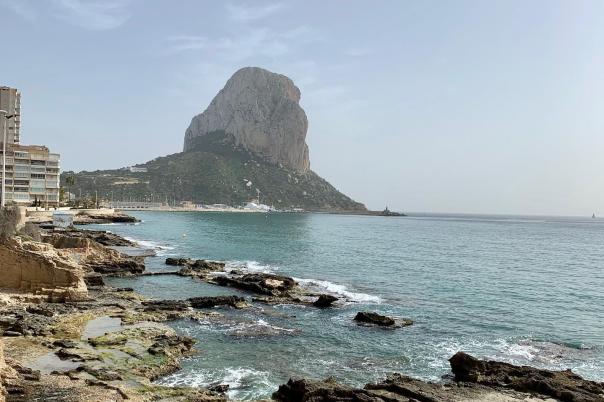
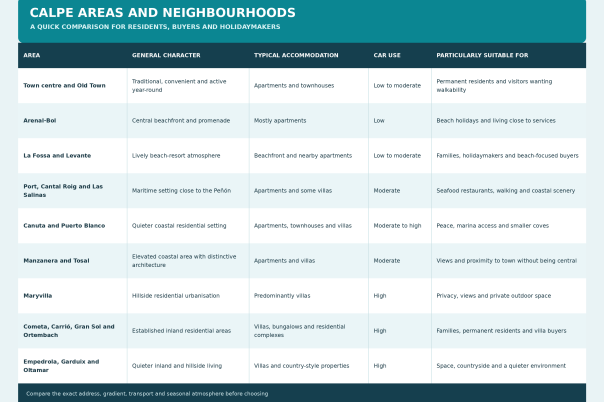
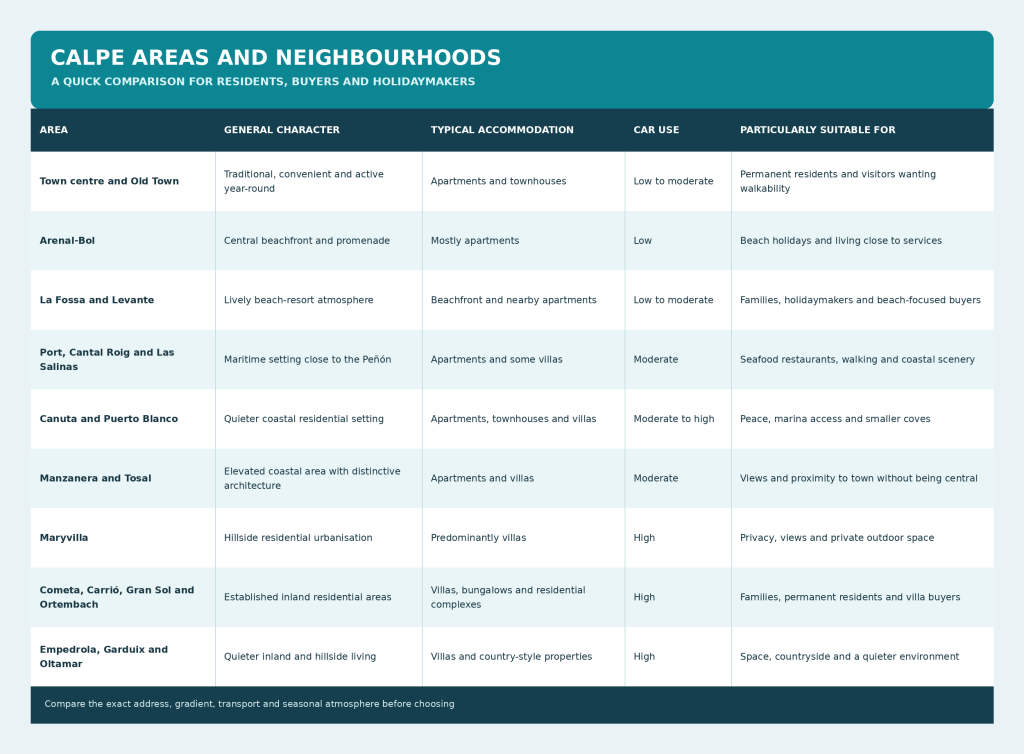
Choosing where to live or stay in Calpe depends on more than finding the closest beach. The town centre and Arenal-Bol offer everyday convenience, La Fossa provides a lively beachfront setting, while Maryvilla and Calpe’s inland urbanisations offer villas, privacy and views—but greater reliance on a car. This guide compares Calpe’s principal areas for permanent residents, property buyers and holidaymakers, including their atmosphere, housing, accessibility and important drawbacks.
23rd September 2026
Calpe may appear compact on a map, but its neighbourhoods offer noticeably different experiences.
Someone staying beside La Fossa Beach will experience a lively coastal resort with a long promenade, restaurants and holiday apartments. A resident in the Old Town may have shops and services within walking distance, while a villa owner in Maryvilla, Empedrola or Gran Sol may rely on a car for almost every journey.
There is no single “best” area of Calpe. The right choice depends on whether you value:
Important: Calpe’s area names are not always used consistently. Property listings may use the name of a beach, urbanisation, partida or nearby landmark. Check the property’s exact address and surroundings rather than relying solely on the advertised area.
Central Calpe is generally the most convenient choice for residents who want to complete everyday errands without driving.
Supermarkets, pharmacies, banks, cafés, public offices and other services are concentrated in and around the centre. Arenal-Bol Beach is also within walking distance of many central streets.
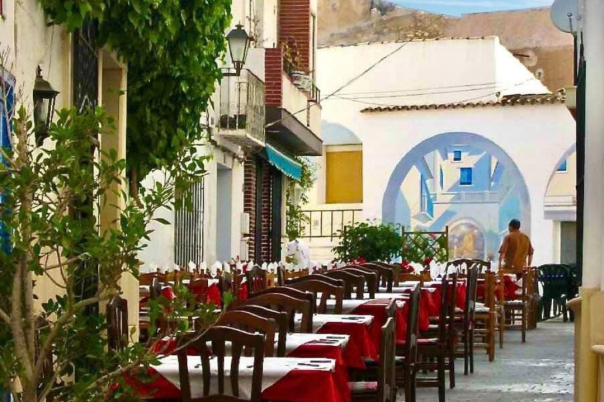
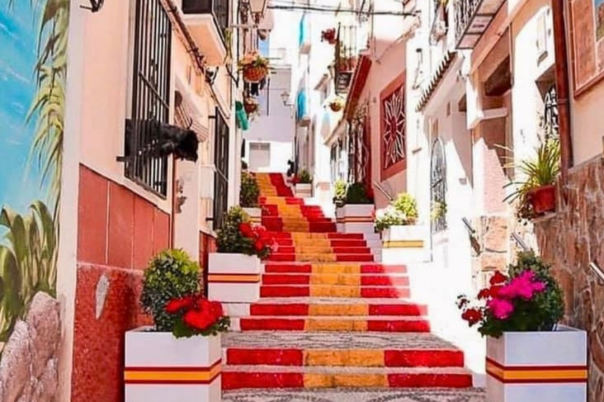
The historic Old Town offers a different atmosphere from the modern seafront. Its narrow streets, traditional houses, murals, small squares and restaurants give it more character than many of Calpe’s newer residential areas.
Read our Calpe Old Town self-guided walking route to explore the area in more detail.
The Old Town particularly suits people who value character and convenience over having a pool, large terrace or private garden.
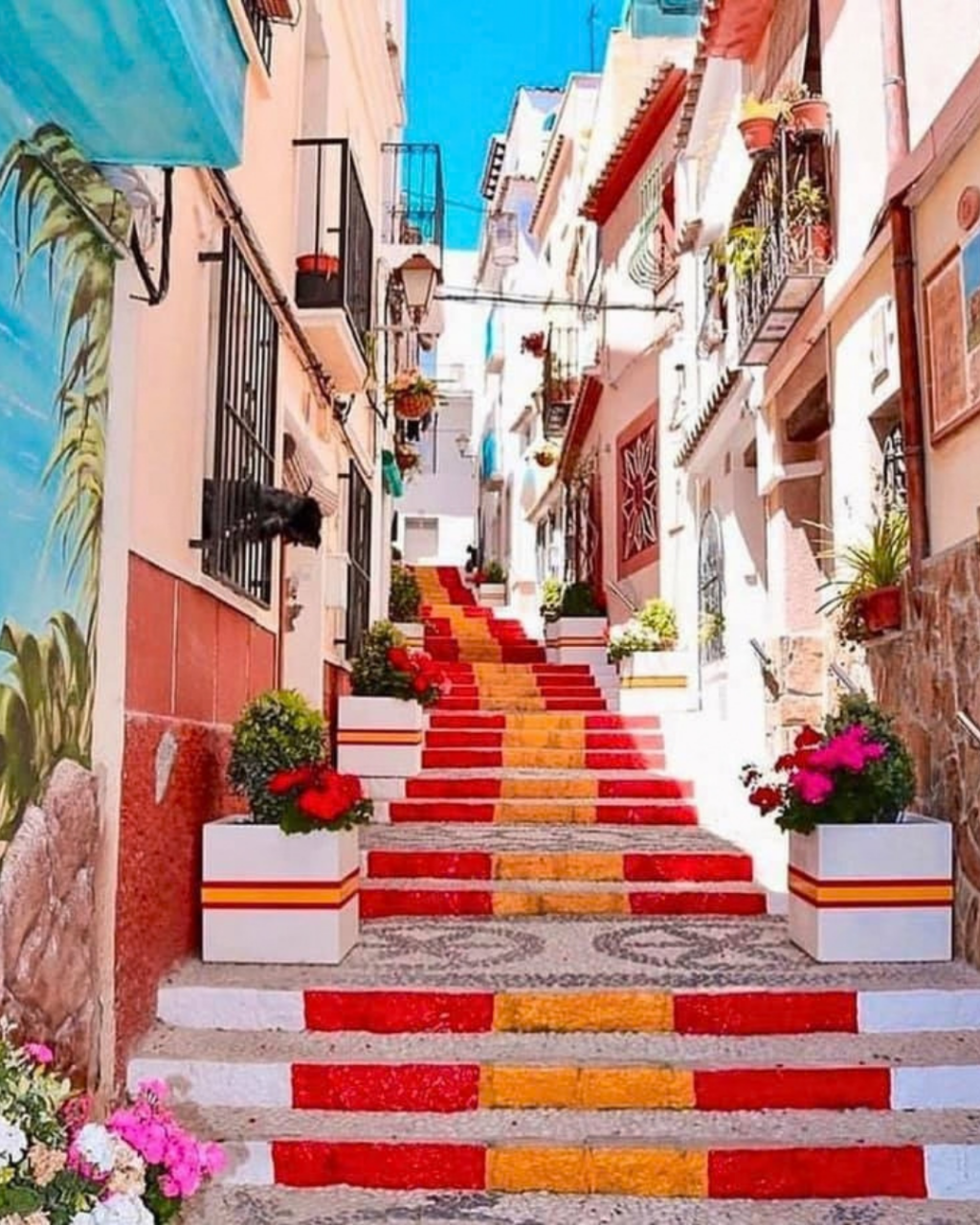
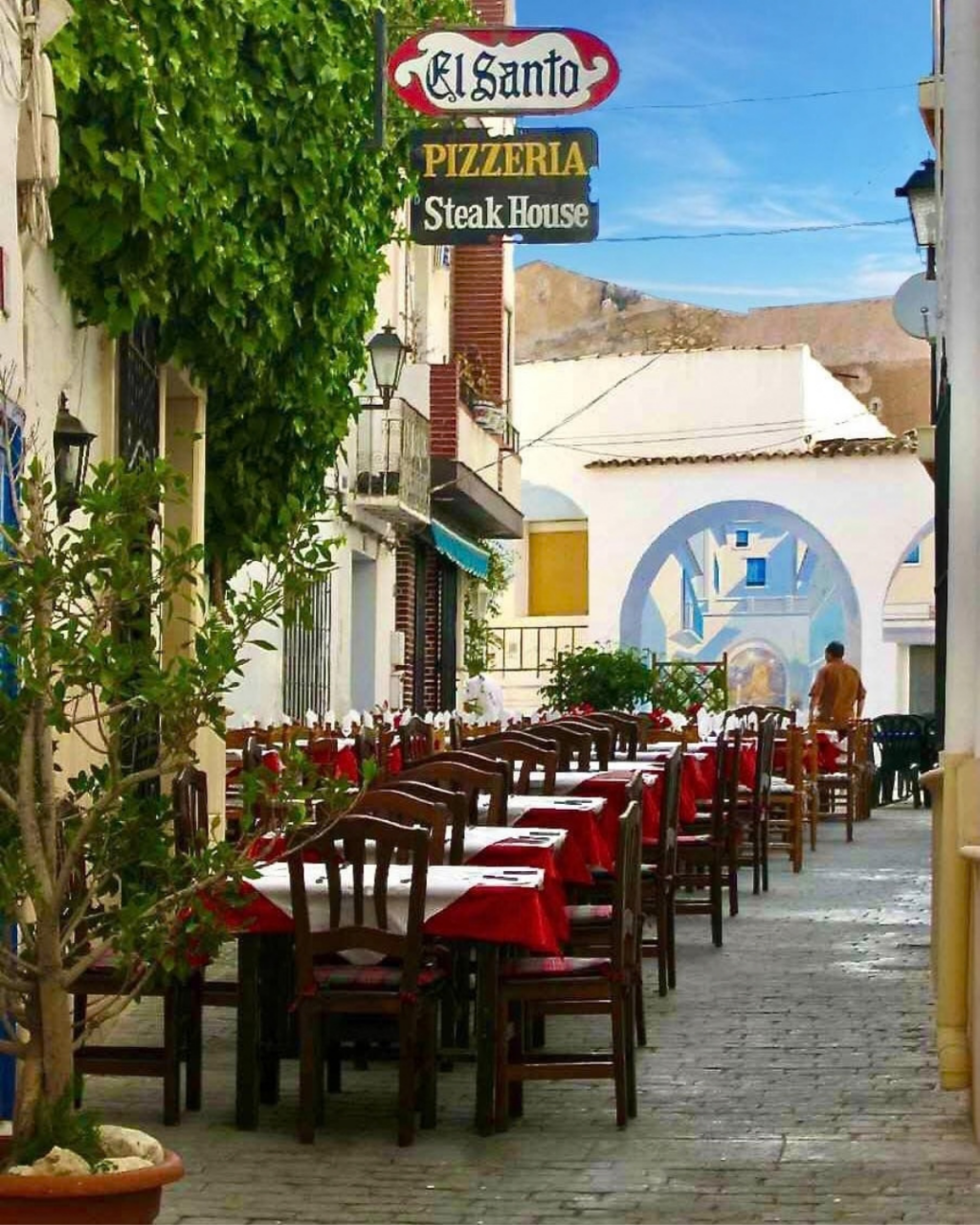
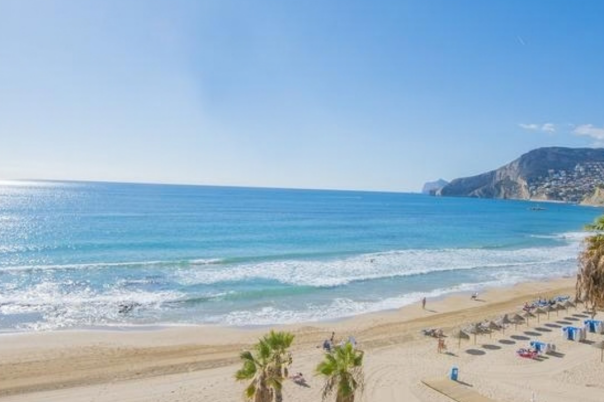
Arenal-Bol combines a central location with direct access to one of Calpe’s principal sandy beaches.
The beachfront is lined by a promenade, apartments, restaurants and cafés. The town centre sits immediately behind it, making this one of the easiest areas for visitors and residents who do not want to drive every day.
Our Arenal-Bol Beach guide explains its facilities, accessibility, transport and seasonal services.
Arenal-Bol is one of the strongest all-round options for someone who wants both the beach and the convenience of central Calpe.
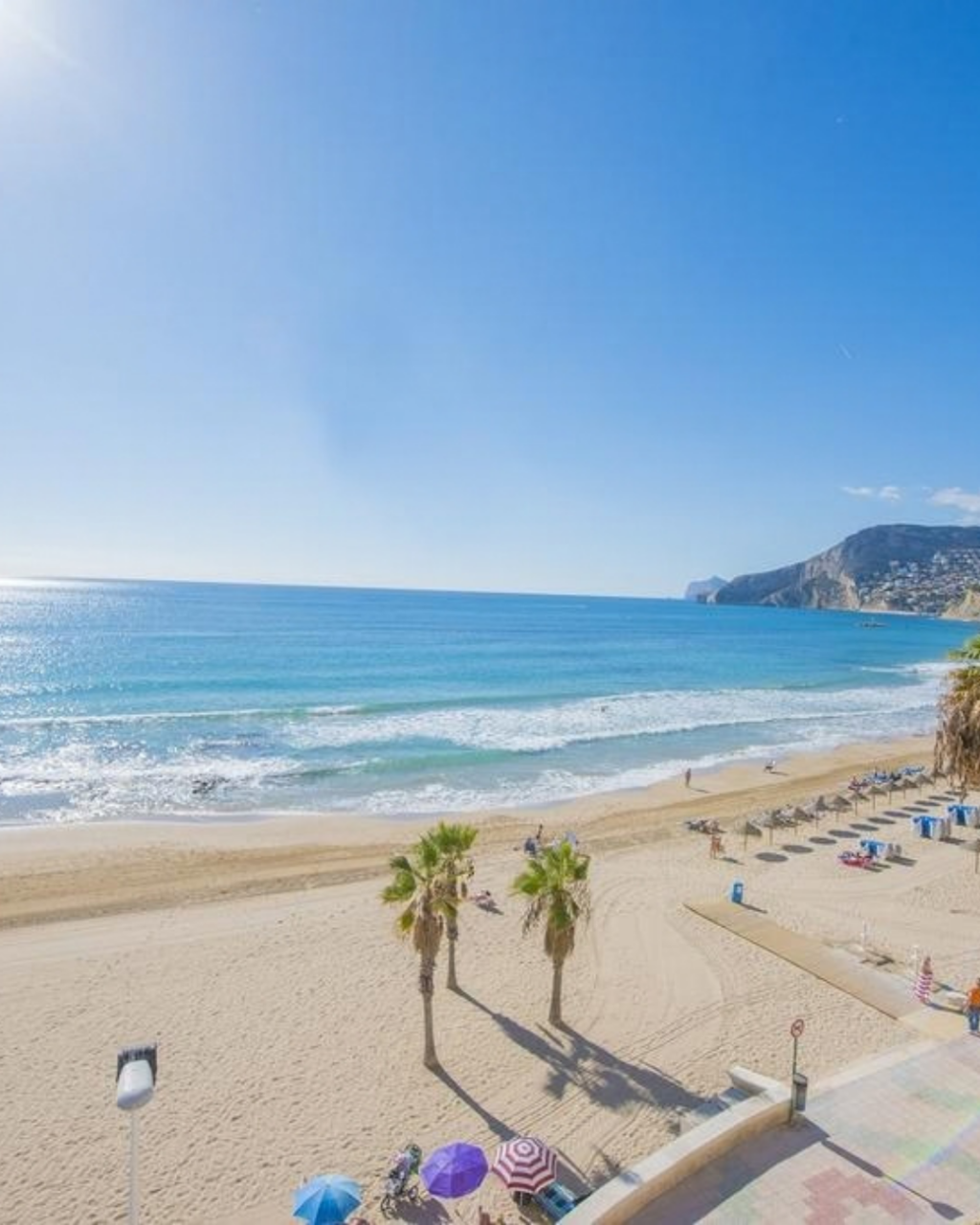
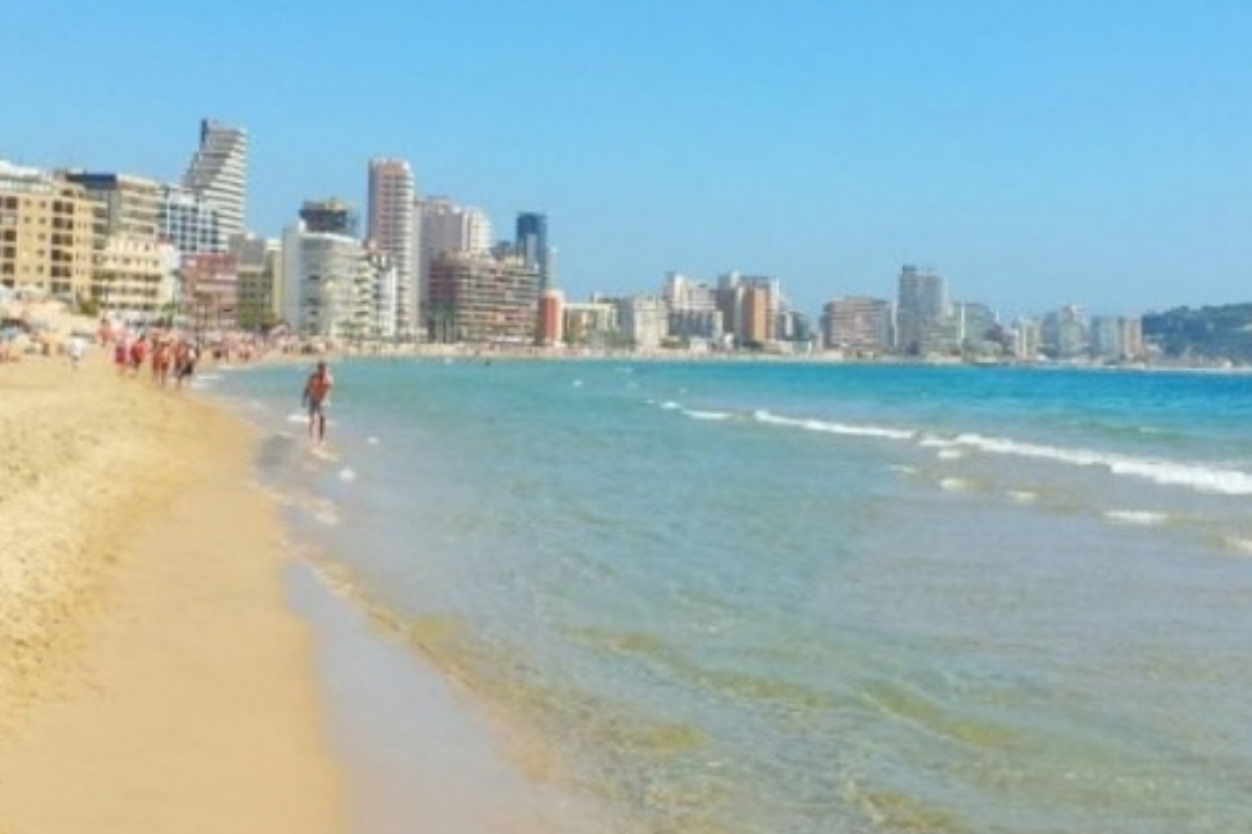
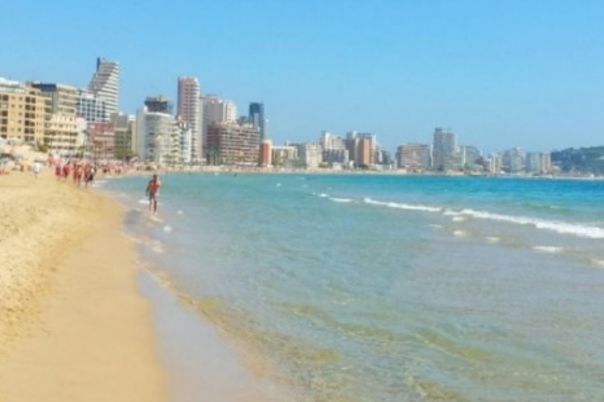
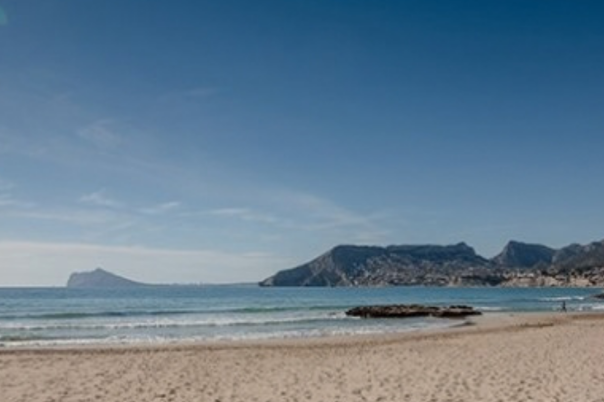
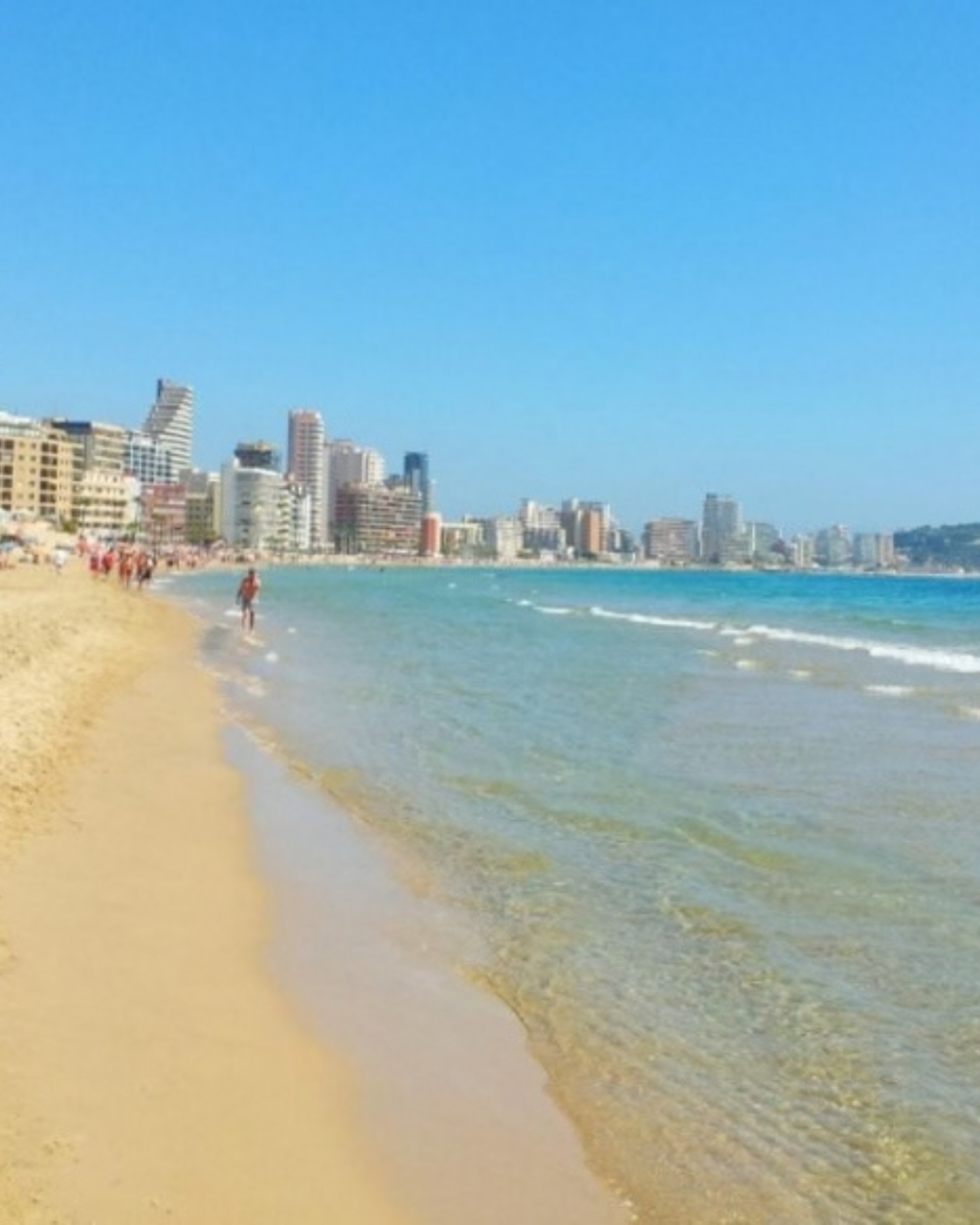
La Fossa, also called Levante Beach, lies on the northern side of the Peñón de Ifach.
Its long sandy beach, promenade, restaurants, shops and large concentration of holiday apartments create a livelier resort atmosphere. It is particularly popular with families and visitors who want most holiday essentials close to their accommodation.
Read our complete La Fossa and Levante Beach guide.
La Fossa is an excellent option for beach holidays. Permanent buyers should also visit during winter to understand how their preferred street and apartment building feel outside the main season.
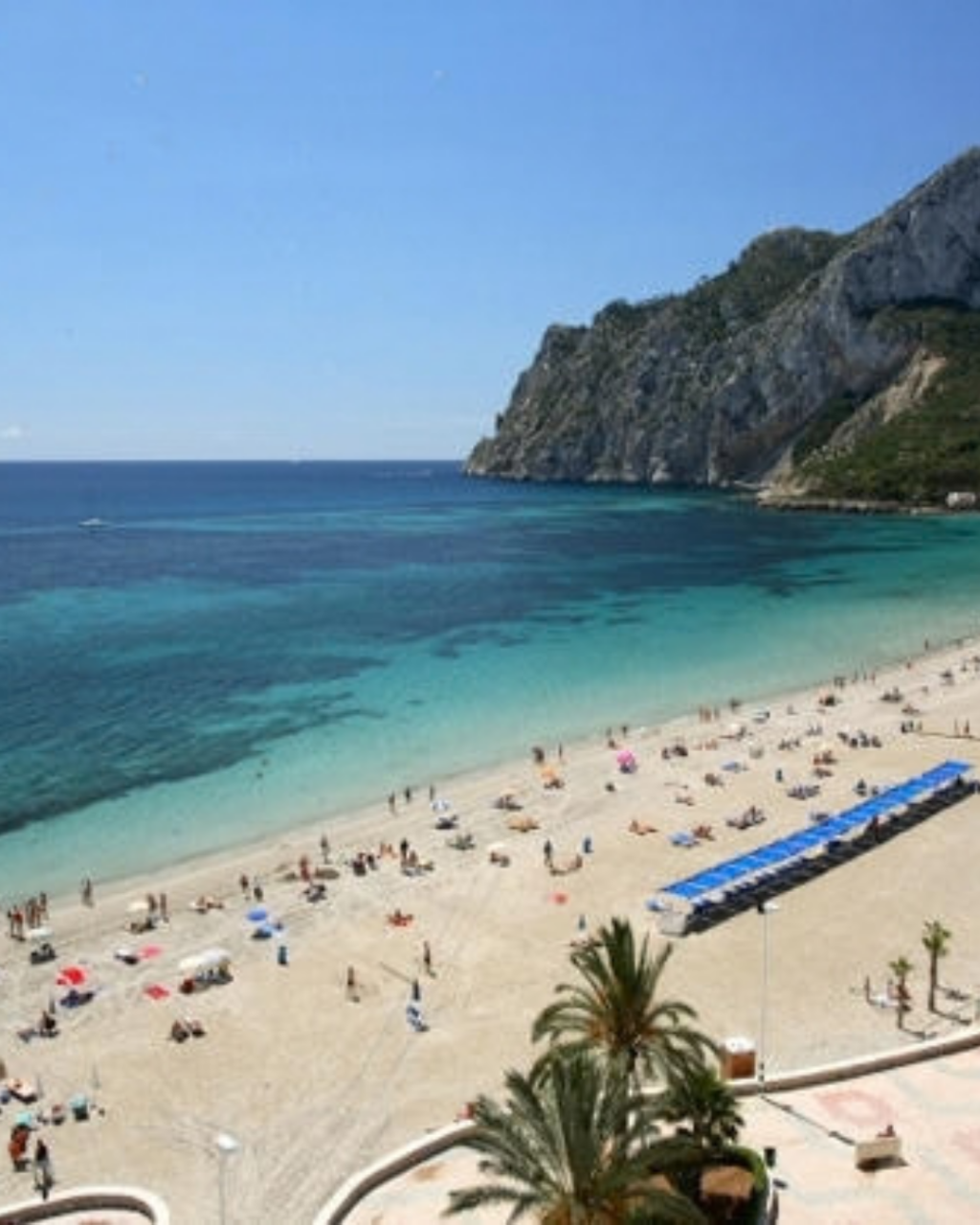
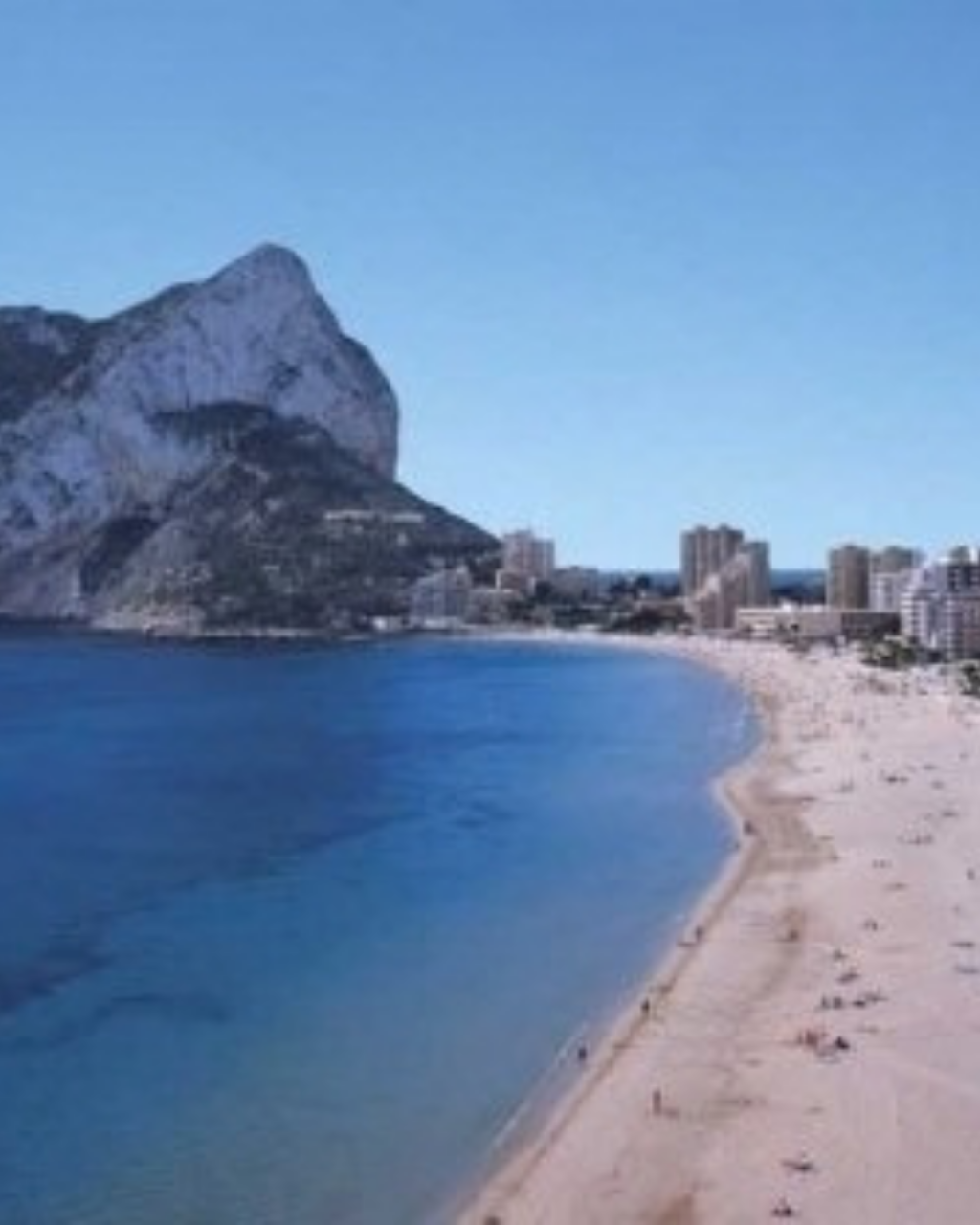
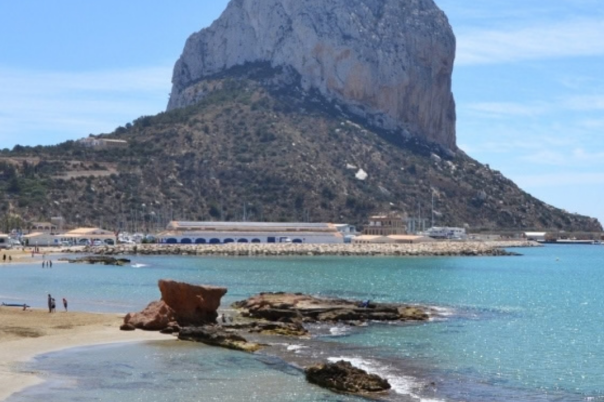
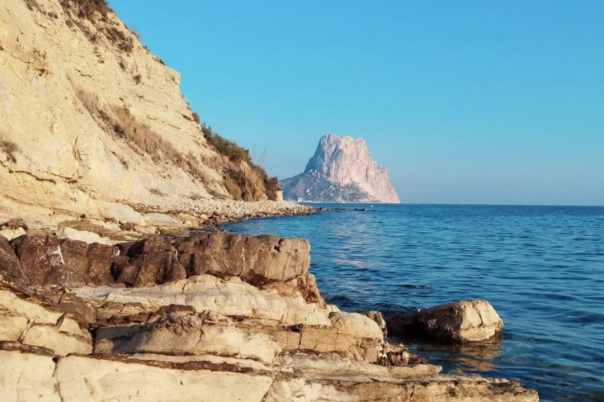
The port area sits between Calpe’s two principal beaches and beneath the Peñón de Ifach.
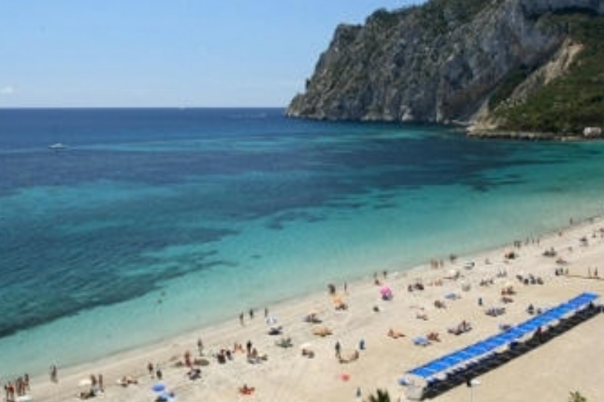
It includes the fishing harbour, seafood restaurants, Cantal Roig Beach and access towards the natural park. Las Salinas - the salt lake immediately inland - is known for its birdlife and distinctive open landscape.
Cantal Roig provides a smaller alternative to Calpe’s long beaches. Read our Cantal Roig Beach visitor guide.
This area particularly suits visitors who want scenery, restaurants and walking rather than being directly in the commercial town centre.
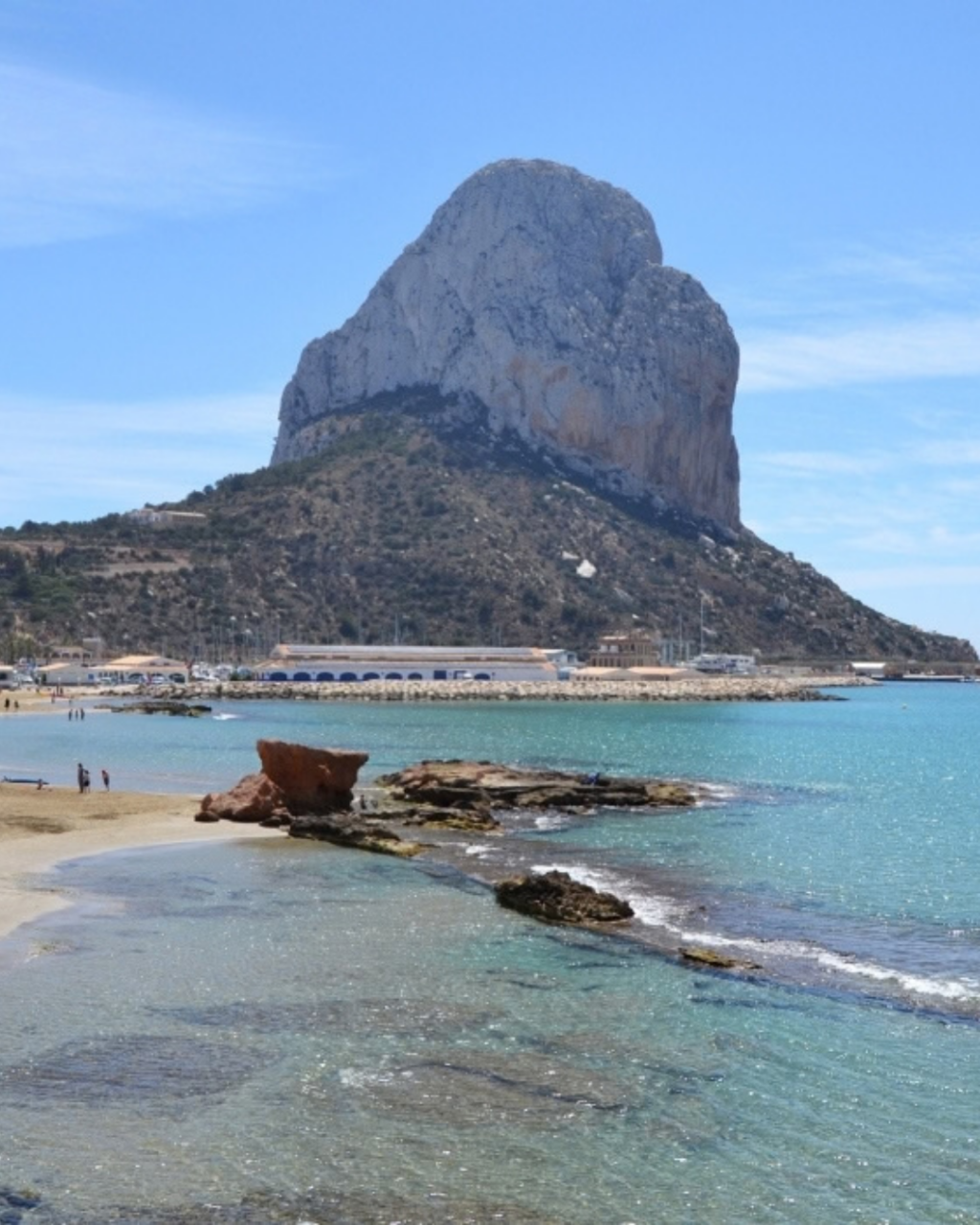
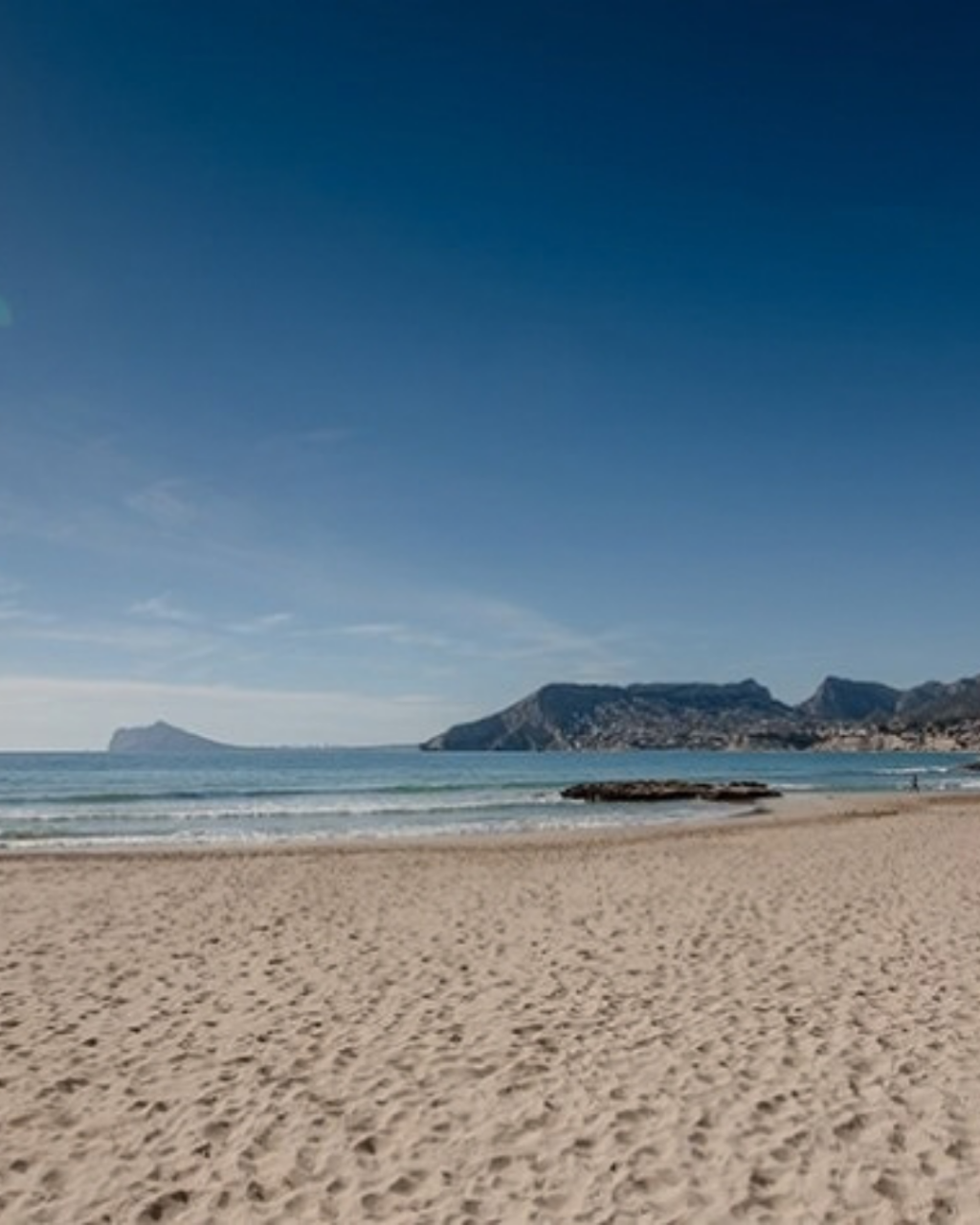
Canuta occupies the southwestern side of Calpe, between the town and the residential slopes towards Maryvilla. Puerto Blanco provides a smaller coastal and marina setting away from the two main beachfronts.
The area contains a mixture of apartments, townhouses and villas. Its quieter atmosphere may appeal to people who want to remain reasonably close to Calpe without living in the busiest centre.
Nearby coastal locations include Puerto Blanco Beach and the dog-friendly Cala Les Urques.
Canuta and Puerto Blanco can offer a useful middle ground between central apartment living and the more car-dependent hillside urbanisations.
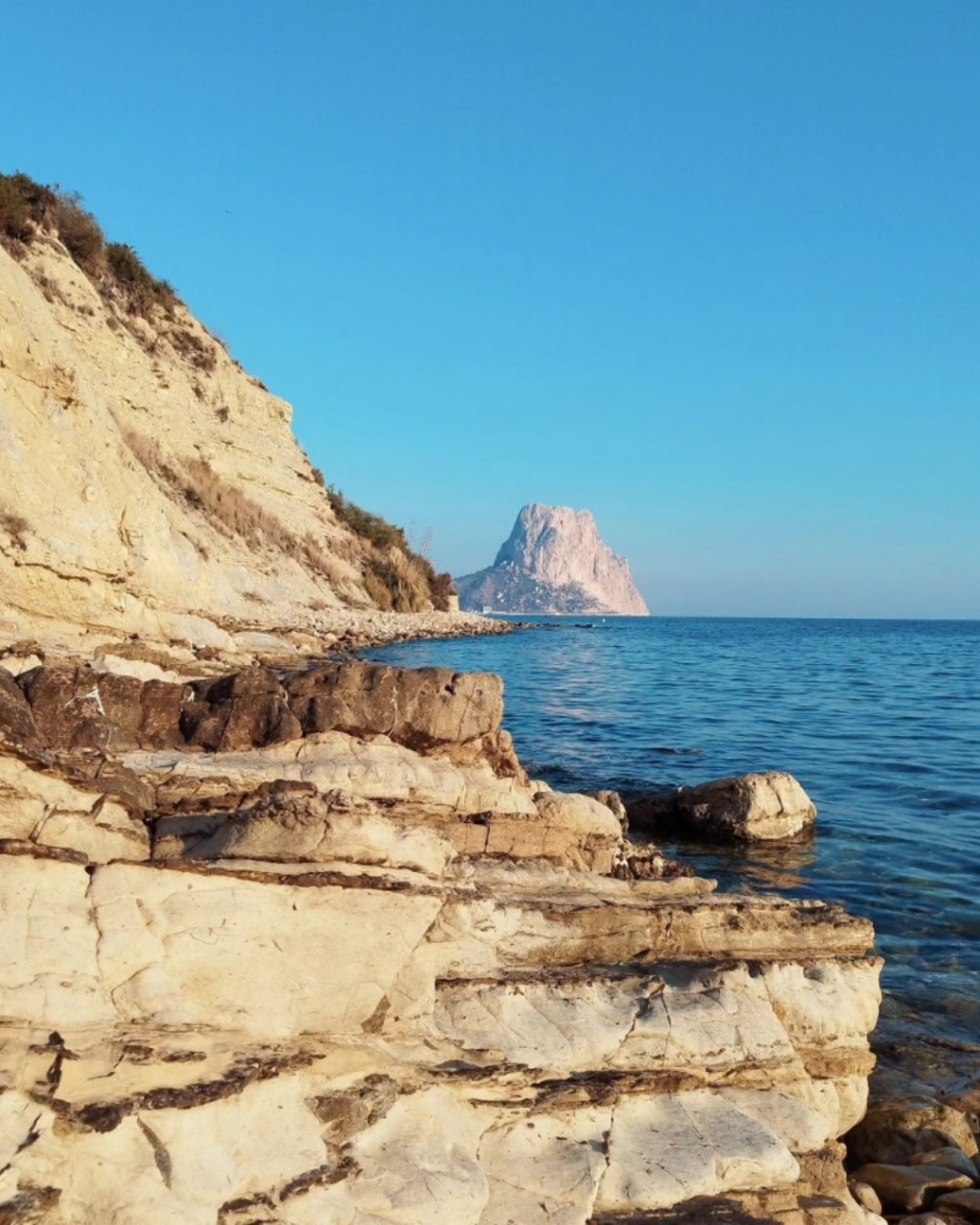
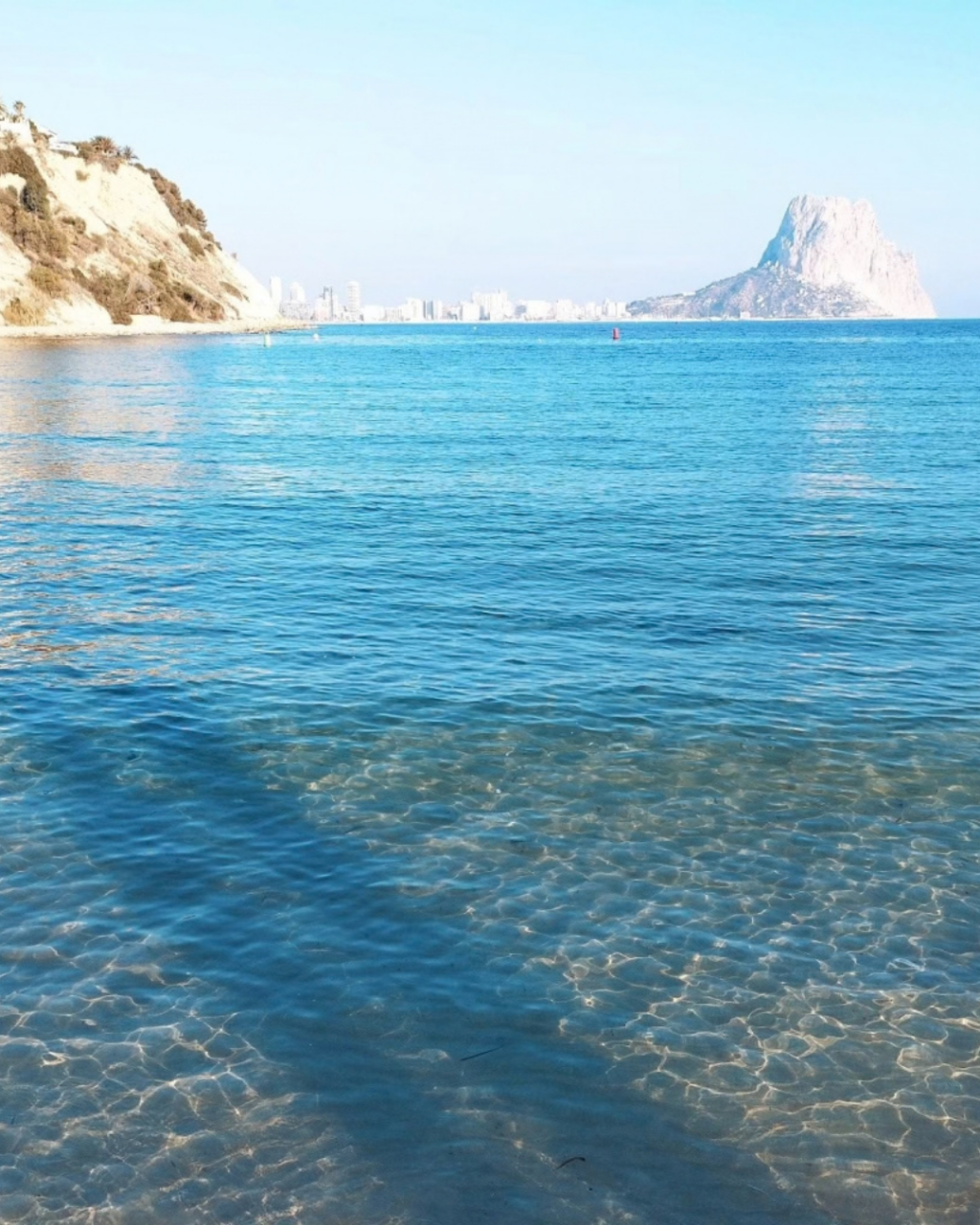
La Manzanera and Tosal occupy an elevated coastal area southwest of the town centre.
La Manzanera is particularly recognisable for the colourful geometric apartment buildings designed by architect Ricardo Bofill. The area combines unusual architecture, coastal views and a quieter residential atmosphere.
Visitors can learn more about the shoreline in our Cala La Manzanera guide.
This area may suit buyers wanting something more peaceful and visually distinctive while remaining relatively close to central Calpe.
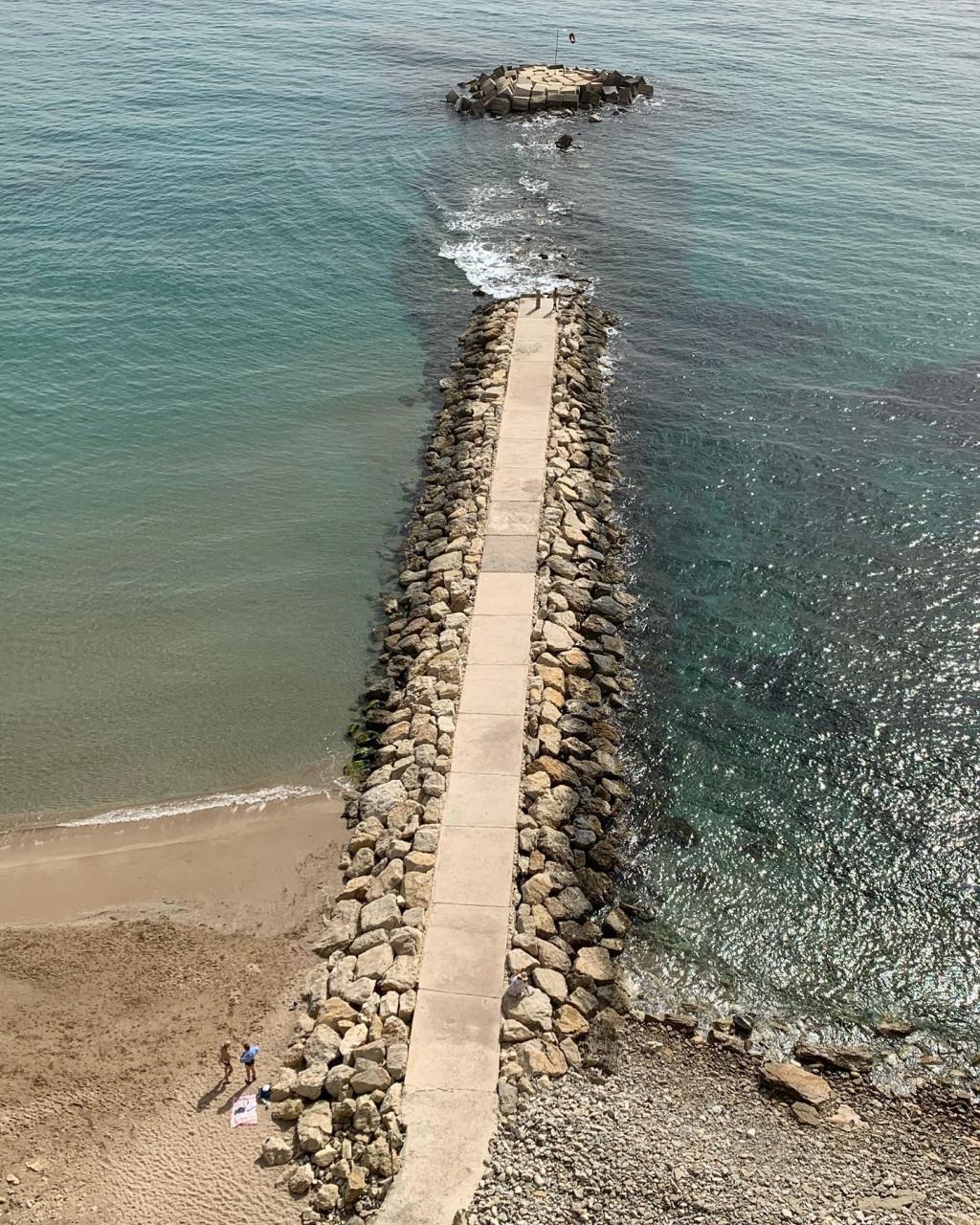
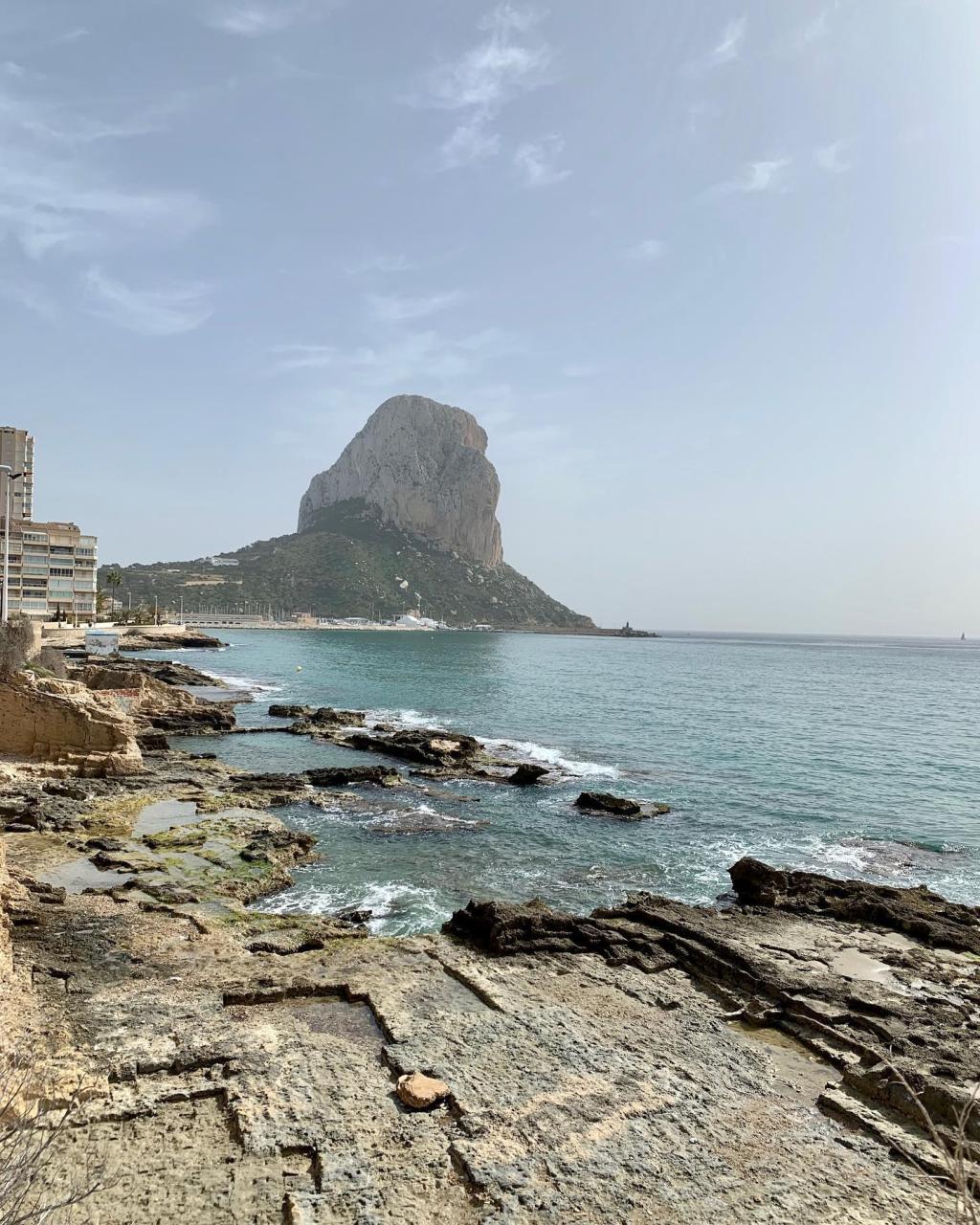
Maryvilla is a hillside urbanisation on the southern side of Calpe, overlooking the coastline around Puerto Blanco and the Sierra de Toix.
It is associated primarily with detached villas, private pools, terraces and extensive coastal views. Its steep terrain and winding residential roads create privacy, but they also make driving important.
Buyers should drive to a potential Maryvilla property during the day and after dark. Check the driveway, turning space, road width and journey to the nearest supermarket rather than concentrating only on the view.
These established residential areas sit inland and towards the northern side of Calpe.
They contain many detached villas, bungalows and private residential complexes. Gardens, pools and larger plots are more common than in the town centre, making the areas attractive to people seeking space.
The atmosphere can feel much more residential than the beachfront, although the exact experience varies from one street and urbanisation to another.
These areas can work well for families and permanent residents who want a villa but do not need to live directly beside the sea.
Calpe’s inland and higher residential areas offer a quieter environment, larger homes and views towards the surrounding mountains and coastline.
They can feel removed from the activity of the beaches despite being within the same municipality.
Calpe Town Council’s official geographic portal allows users to inspect municipal boundaries, streets, planning information, risks and other mapped data. It is a useful starting point for checking an exact location, although professional legal and planning advice remains essential before buying.
Open the Calpe municipal GeoPortal
The strongest options for living or staying without a car are generally:
Puerto Blanco, Maryvilla, Cometa, Gran Sol, Empedrola and other outlying urbanisations are generally easier with a car.
Calp TRAM station should not be treated as a town-centre station when selecting accommodation. It is inland and most passengers continue by bus or taxi. Read our Calpe TRAM station guide before choosing a home based on rail access.
Choose:
Our complete Calpe Beaches and Coves Guide compares the different shorelines and facilities.
For convenient year-round living, begin with:
The ideal area depends on your weekly routine. A quiet villa may look perfect during a viewing, but it may be inconvenient if every journey to school, work, shops or healthcare requires a car.
Our honest guide to living in Calpe throughout the year explains the wider advantages and disadvantages.
Before reserving a property in any part of Calpe, investigate:
Never rely solely on an estate agent’s area description. Visit during the day and evening, drive the everyday routes and, if possible, return outside the summer season.
Independent legal checks are essential. Calpe Online 24 has guides to lawyers and legal services and property lawyers.
Foreign buyers may also need our guide to getting an NIE near Calpe.
Once you have chosen an area, practical steps may include arranging utilities, insurance, healthcare, internet and local registration.
Anyone making Calpe their normal home should read our guide to registering on the padrón in Calpe.
Drivers should also consult our Calpe parking guide, particularly when considering the Old Town, beachfront or port areas.



 Spanish
 Chinese (simplified)
 Dutch
Dutch French
 German
 Italian
 Norwegian
 Polish
 Romanian
 Russian