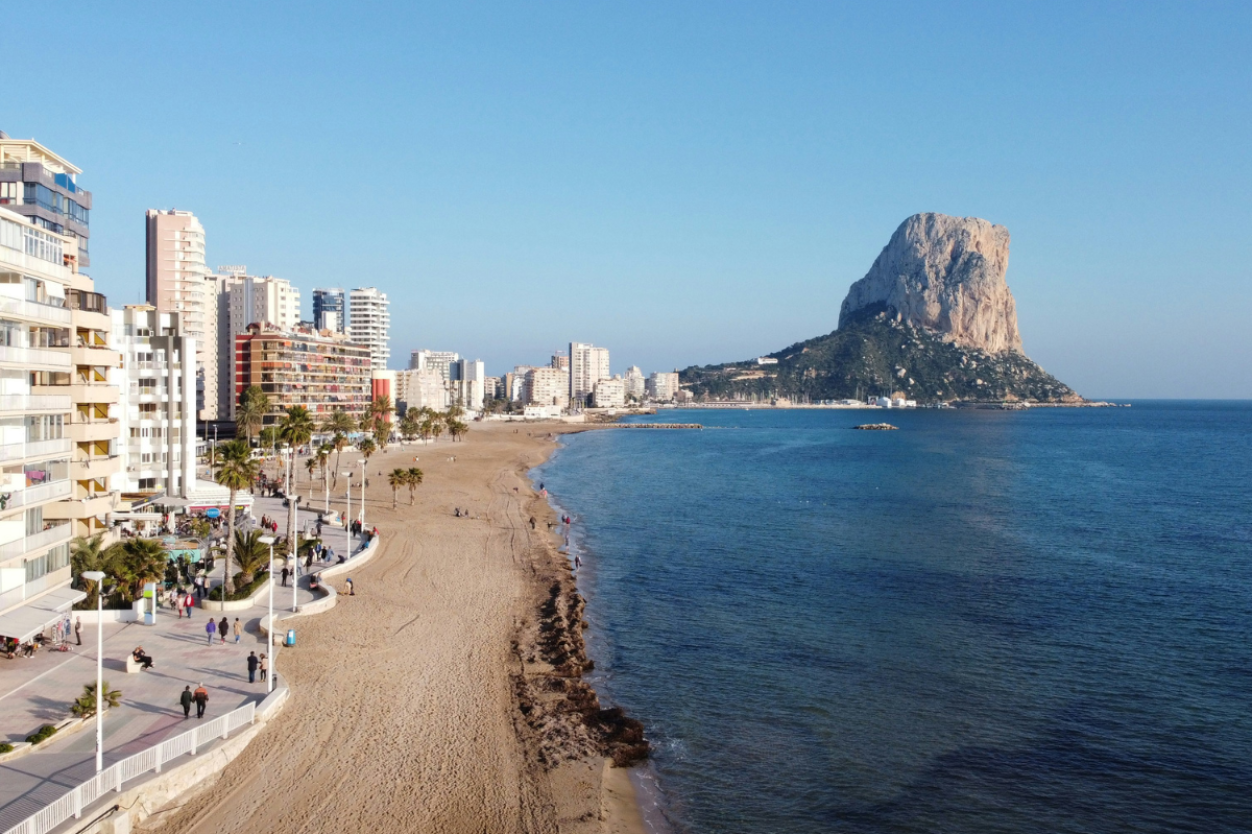
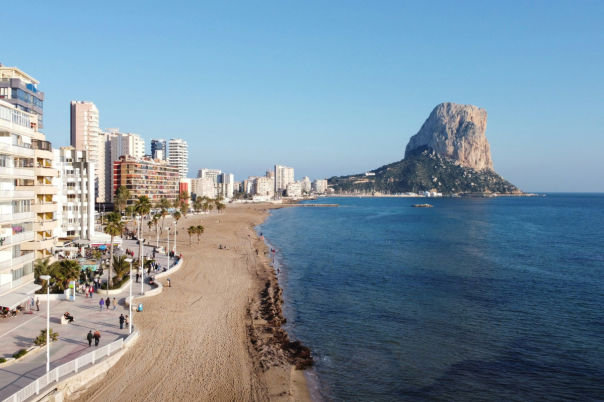
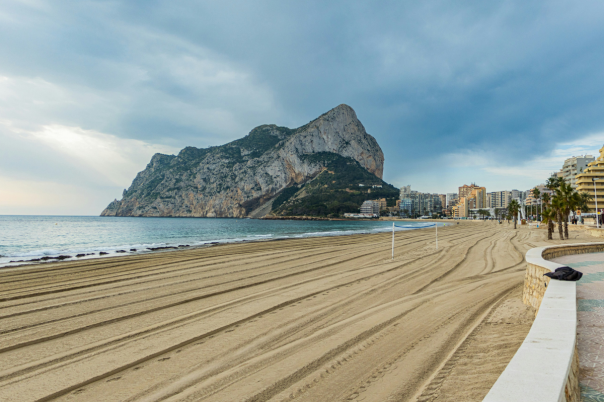
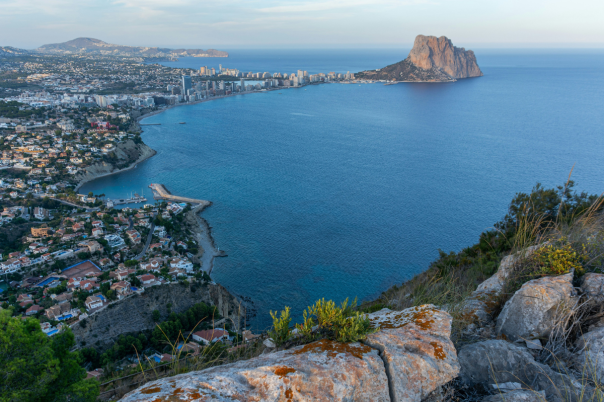
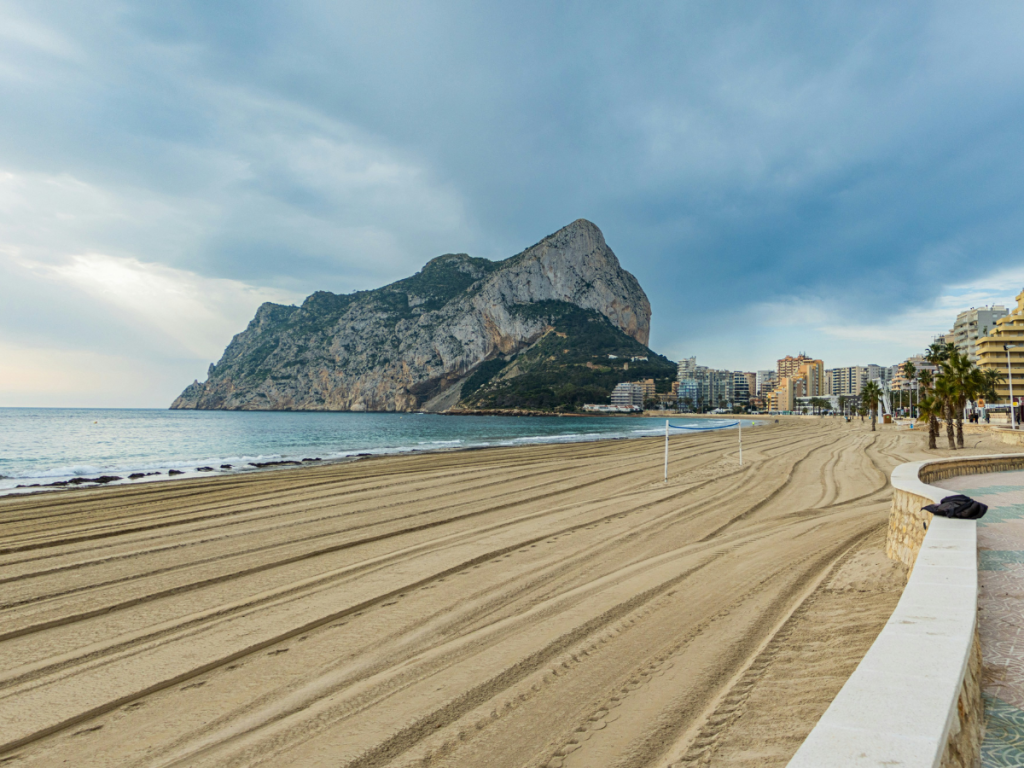
Is Calpe a good place to live throughout the year? This honest guide looks beyond the beaches and holiday atmosphere to explore everyday life in Calpe, including convenient neighbourhoods, healthcare, schools, public transport, remote working and the international community. It also examines car dependence, summer crowds, quieter winters and the practical differences between choosing a central apartment and a villa outside town.
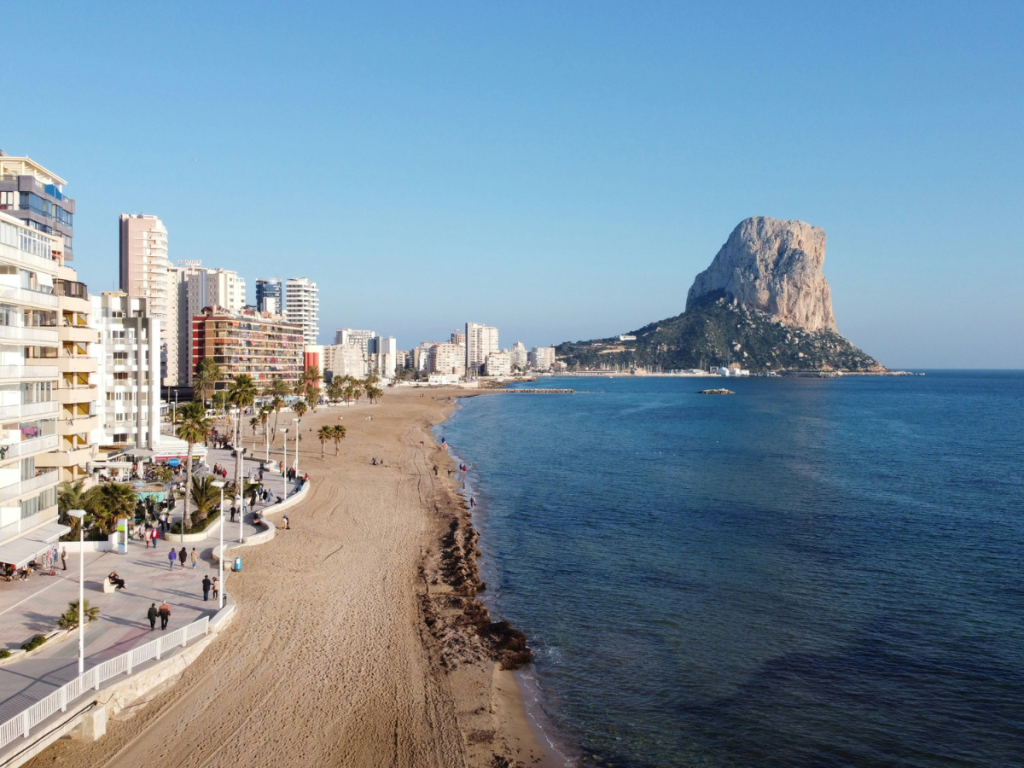
15th September 2026
Calpe is widely known as a holiday destination, but it is also a proper working town with a large permanent population. Supermarkets, schools, health services, professional businesses and everyday shops continue operating after the summer visitors leave.
That does not mean year-round life in Calpe will suit everyone. Where you live can make the difference between walking easily to shops and depending on a car for almost every journey. Summer is busy and energetic, while winter is quieter and can feel very different.
For people considering a permanent move, the honest answer is that Calpe can offer an excellent lifestyle - but choosing the right area and understanding its seasonal character are essential.
Anyone at the early research stage may also find our guide to planning a move to Spain useful.
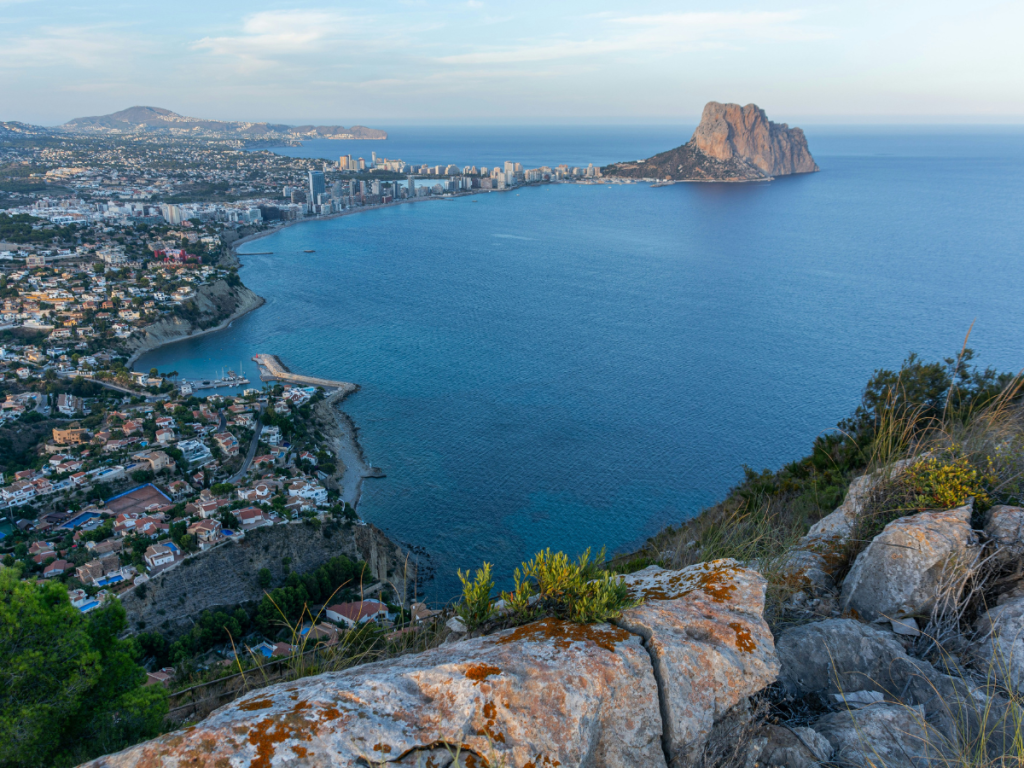
Calpe does not completely close when the holiday season ends. It has a sizeable permanent population and remains active throughout the year, particularly around the town centre.
The population proposed following the 2025 padrón review was 27,616, and municipal information identifies Calpe’s large international population as one of its defining characteristics. According to the council, foreign nationals represent more than half of registered residents. This helps Calpe feel more like an established international town than a resort that exists solely for tourists. Read Calpe Town Council’s population information.
Autumn and spring are often particularly pleasant. The town remains active, but walking, parking and completing everyday errands are generally easier than during peak summer.
Winter is much quieter. Some seasonal restaurants, beach businesses and tourist services reduce their hours or close temporarily, but residents still have access to the essentials required for everyday life.
The most convenient location depends on whether you value walkability, beach access, peace, space or views.
Central Calpe is generally the easiest choice for living without constant reliance on a car. Residents can walk to supermarkets, banks, cafés, pharmacies, shops, public offices and Arenal-Bol Beach.
The trade-off is that central living usually means an apartment rather than a villa. Parking, street noise and summer crowds also need to be considered.
The Old Town provides more character and a stronger traditional atmosphere while remaining close to central services. However, some streets are steep or narrow, parking can be limited and older properties may present accessibility or renovation challenges.
La Fossa is popular with people who want to be near the beach and within walking distance of restaurants, supermarkets and everyday amenities. It can feel comparatively quiet in winter and significantly busier in summer.
Its suitability depends heavily on the exact building. Before buying or renting, check winter sunlight, insulation, parking, lift access, community fees and whether neighbouring properties are used mainly for holidays.
Residential areas outside the centre can provide larger homes, private outdoor space, views and a quieter environment. They may appeal to families, pet owners and people who prefer villa living.
The disadvantage is greater car dependence. Walking to shops may be impractical because of the distance, steep roads, limited pavements or summer heat.
Anyone viewing a hillside villa should test the everyday journey to supermarkets, schools and healthcare rather than judging the property only by its view. Our Calpe property guides cover additional points to consider when searching for a home on the Costa Blanca.
Calpe’s main supermarkets, pharmacies, banks, medical services and many independent businesses operate throughout the year. Residents do not need to travel to another town for ordinary grocery shopping or most everyday errands.
The seasonal difference is more noticeable among beachfront restaurants, tourist shops and leisure businesses. Some close for part of the winter or operate reduced hours.
This can make particular beachfront areas feel quiet after summer, while the town centre continues to feel lived-in. Anyone planning to move permanently should visit their preferred neighbourhood in January or February, not only during the warmer months.
Calpe has a public health centre providing primary care and emergency services. The Centro Sanitario Integrado Calpis on Calle Conde de Altea, with official contact details available through the Dénia Health Department.
A medical facility in La Fossa has also become a permanent healthcare resource rather than operating only during the summer season.
For hospital treatment and some specialist appointments, residents may need to travel to Dénia or another designated facility. Private clinics, dentists, physiotherapists and other health professionals are also available locally. Calpe Online 24 has a directory of medical centres, doctors and hospitals serving Calpe.
Access to Spain’s public healthcare system depends on an individual’s residence, employment, pension and social-security circumstances. New residents should confirm their entitlement and consider appropriate private medical insurance where required.
It is also worth learning how the local out-of-hours pharmacy rota works. Our guide explains how to find the emergency pharmacy open in Calpe.
Calpe is connected to neighbouring Costa Blanca destinations by the TRAM d’Alacant network and intercity buses.
Line 9 connects Calpe with places including Altea, Benidorm, Benissa, Teulada, Gata de Gorgos and Dénia. Passengers travelling towards Alicante normally connect with other services in Benidorm.
The limitation is that Calpe’s TRAM station is outside the town centre. Depending on where you live, reaching it may require a local bus, taxi, car or a considerable walk.
Our practical guide to Calpe TRAM station and Line 9 explains the station’s location, connections and how to reach it from central Calpe.
Intercity buses are useful for destinations including Alicante, Valencia, Benidorm and Dénia. Local routes serve parts of Calpe, but they do not make every residential area easy to reach without a car.
Public transport is workable for some centrally based residents. It is less convenient for people living in hillside urbanisations or making frequent journeys outside Calpe.
Calpe has several public infant and primary schools, together with IES Ifach for secondary education, bachillerato and some vocational courses. The council maintains a current directory of educational centres in Calpe.
Families moving from abroad should understand that public education operates within the Valencian education system. Spanish and Valencian may both form part of school life and teaching, depending on the school and programme.
This multilingual environment can be positive for children, but families should research language arrangements, admissions and available support before moving. School places and catchment arrangements should never be assumed on the basis of a property agent’s description.
Families seeking a particular private or international curriculum may need to consider schools outside Calpe and factor the school journey into their choice of home.
Calpe offers beaches, sports facilities and outdoor activities for children, although older teenagers may find its leisure and transport options more limited than those of a larger city.
One of Calpe’s strongest advantages for new foreign residents is its international population. English and several other European languages are widely encountered in property, hospitality and professional services.
It is possible to find social groups, clubs and businesses accustomed to assisting international residents. This can make settling in less intimidating, particularly for retirees and people moving without fluent Spanish.
However, relying entirely on an English-speaking circle can make integration more difficult. Learning at least practical Spanish helps with healthcare, school communication, administration, neighbours and everyday life. Some knowledge of Valencian is also useful for understanding local signs and public information.
People living in Calpe for most of the year may need to register with the municipality. Our Calpe padrón guide explains who should register, which documents may be required and when foreign residents must renew or confirm their details.
Residency, visa and immigration requirements are separate from padrón registration. These depend on nationality and personal circumstances, so obtain current professional advice. Calpe Online 24 has further information about legal requirements when relocating to Spain.
Calpe can be an appealing base for remote workers. It offers a coastal lifestyle, cafés, year-round services and access to Alicante Airport by road or connecting public transport.
Before agreeing to rent or buy, check the actual internet connection available at the individual property. Do not assume that every villa or urbanisation has the same fibre coverage as a central apartment.
Remote workers should also consider:
Calpe Online 24 has a guide to internet services on the Costa Blanca, which can help residents begin comparing local connection options.
Anyone planning to work remotely from Spain should also check whether their immigration status permits it and obtain professional advice about tax and social-security responsibilities.
Someone working from home all week may find an isolated villa peaceful - or unexpectedly lonely. Spending time in the area during winter can help determine which reaction is more likely.
It is possible, but location is crucial.
Someone living in the town centre, Old Town or parts of Arenal-Bol may be able to reach shops, pharmacies, cafés and the beach on foot. Buses, taxis and the TRAM can then cover occasional longer journeys.
A car becomes much more important in outlying urbanisations, particularly where roads are steep or lack continuous pavements. It may also be necessary for school journeys, hospital appointments, major shopping trips and exploring inland areas.
Households considering life without a car should walk from a potential property to their regular destinations before committing. A route that looks short on a map may involve a steep climb or an uncomfortable road.
Car owners should also consider whether a property has private parking. See our guide to parking in Calpe for information about the town centre, beaches, port, Old Town and seasonal regulated zones.
July and August bring energy, events and a lively holiday atmosphere, but they also bring traffic, noise, queues and strong competition for parking.
Beaches become crowded, restaurants may need to be booked and short journeys can take longer. Apartments close to the seafront can experience noise from visitors, traffic and late-night activity.
Holiday rentals may also mean frequently changing neighbours within apartment buildings. Anyone seeking a consistently quiet home should ask how many properties in the building or immediate area are used for tourist accommodation.
Some permanent residents enjoy the transformation and summer atmosphere. Others organise errands for quieter times of day or leave Calpe during the busiest weeks.
Calpe’s major celebrations can also affect traffic, parking and noise. Check the Calpe fiesta calendar when planning around particularly busy dates.
Winter reveals a calmer side of Calpe. Parking is easier, beaches are quieter and residents have more space to enjoy walks, cafés and the seafront.
The weather is usually mild compared with northern Europe, but the idea of constant warmth can be misleading. Evenings can feel cold, and properties designed mainly for summer may have poor insulation, limited heating or little winter sunlight.
Before choosing a home, ask about:
A sunny south-facing apartment can provide a very different winter experience from a shaded property, even when the two are only a short distance apart.
Residents planning to improve heating or cooling can browse Calpe Online 24’s heating and air-conditioning services before obtaining individual quotations.
An apartment in or near central Calpe generally offers the easiest lifestyle. Shops, beaches and restaurants may be within walking distance, while communal maintenance is handled through the building’s owners’ association.
Potential disadvantages include community fees, neighbours, shared rules, limited outside space, parking problems and summer noise. Buyers should examine the community accounts and check for planned building works before purchasing.
A villa can provide greater privacy, storage, outdoor space and a pool. It may suit families, pets and residents who want a quieter home.
Villa owners must be prepared for more maintenance. Pools, gardens, exterior walls, roofs, security and heating all create ongoing costs. Hillside villas can also be considerably more dependent on a car.
If a property requires significant work, buyers should investigate permissions and obtain independent legal and technical advice before committing. Calpe Online 24 lists lawyers and legal services covering Calpe, alongside local and regional construction and renovation services.
The better option is not simply the one with the most impressive holiday appeal. It is the one that makes ordinary weekly life manageable.
Calpe may suit:
Calpe may be less suitable for:
Calpe can be a very good place to live year-round, particularly for people who value the sea, outdoor life, a strong international community and the convenience of an established town.
Its weaknesses are equally important. Public transport does not remove the need for a car in every neighbourhood, summer crowds can be intense and some properties are much better suited to holidays than permanent living.
The best way to decide is to experience Calpe outside summer. Rent before buying if possible, test everyday journeys and inspect potential homes for winter comfort as carefully as you inspect the terrace and view.
Calpe is not the right choice for everybody. For the right person - and in the right neighbourhood - it can provide a genuinely enjoyable place to build a permanent life.



 Spanish
 Chinese (simplified)
 Dutch
Dutch French
 German
 Italian
 Norwegian
 Polish
 Romanian
 Russian