The museum is located in the historic centre of Javea in a building known as 'la casa-palau de Antoni Banyuls' (the palace of Antoni Banyuls). It is one of the towns most important historic buildings, now housing a large permanent exhibition alongside temporary ones.

The Soler Blasco Archaeological and Ethnographic Museum, also known as the Museu de Xàbia, introduces visitors to the people, trades and cultures that have shaped the town.
Its displays cover prehistoric communities, Iberian and Roman settlement, medieval life and more recent local history. Collections also explore traditional crafts, agriculture and Jávea’s connections with the sea.
Combine your visit with a walk through the surrounding streets using our Javea Old Town guide.
The museum occupies the Casa-Palau d’Antoni Banyuls, a seventeenth-century building with a distinctive tosca-stone façade.
Inside, nineteenth-century alterations changed much of the original interior, although historic floor tiles survive in one room. The building itself is part of the museum’s appeal, offering an opportunity to look inside one of the Old Town’s notable historic properties.
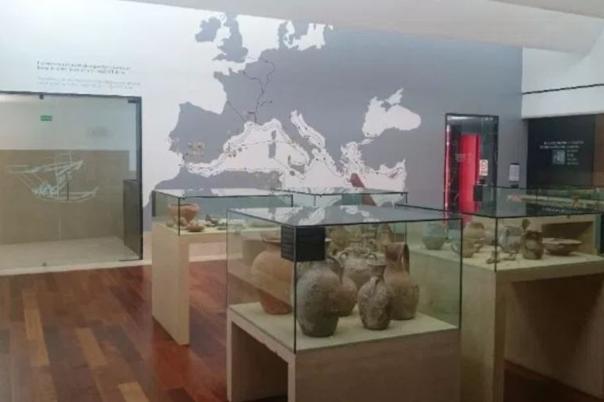
Explore displays tracing local life from prehistory through the Iberian, Roman and medieval periods. The museum’s collections help explain how settlements developed and how people used the surrounding landscape.
The official museum guide includes sections on early farming communities, Roman occupation, medieval Jávea, defensive structures and the town’s later growth.
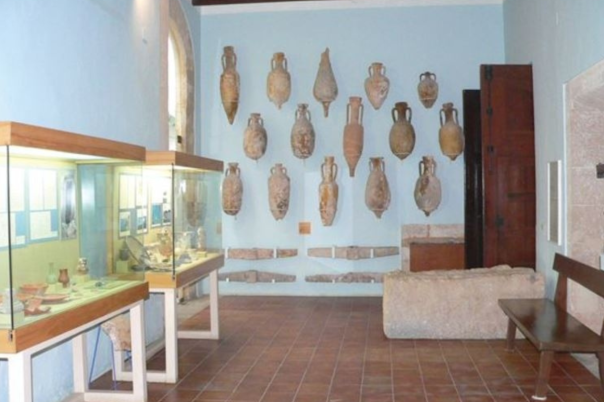
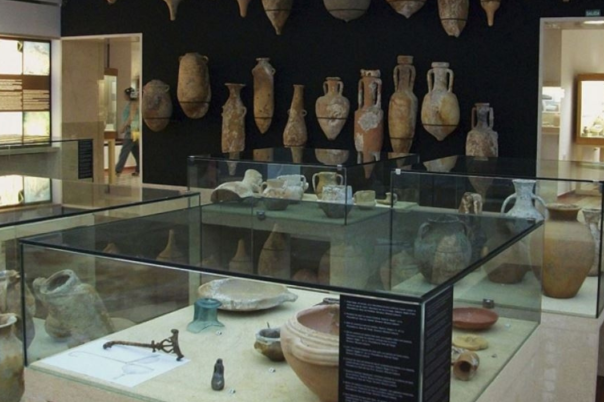
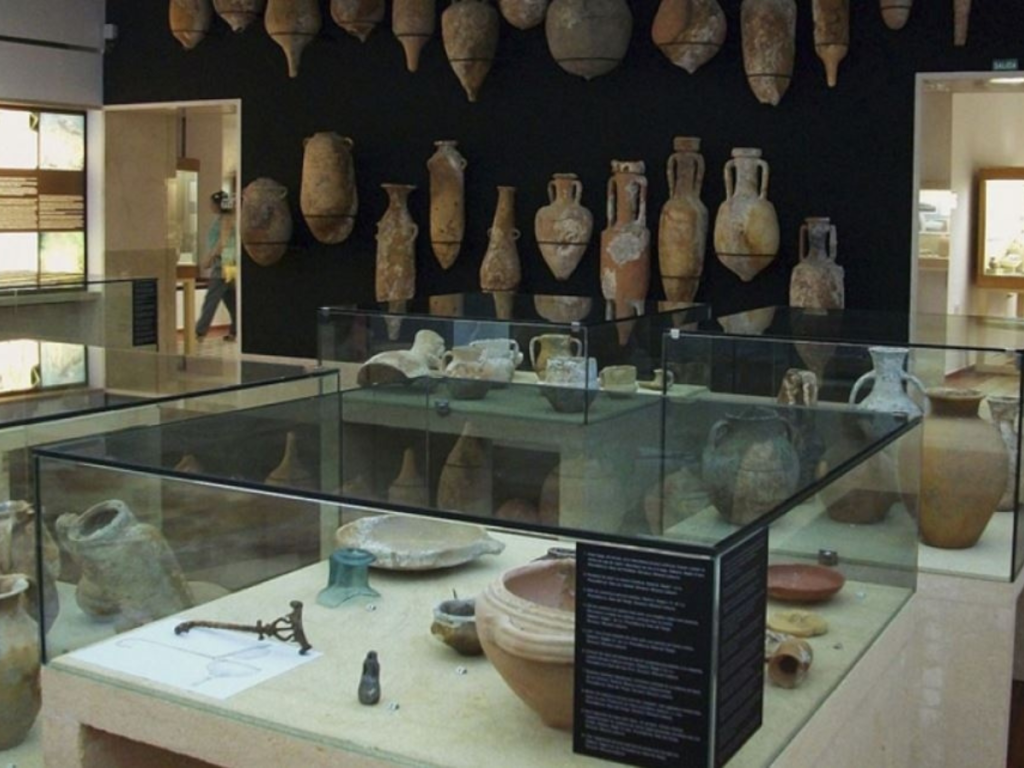
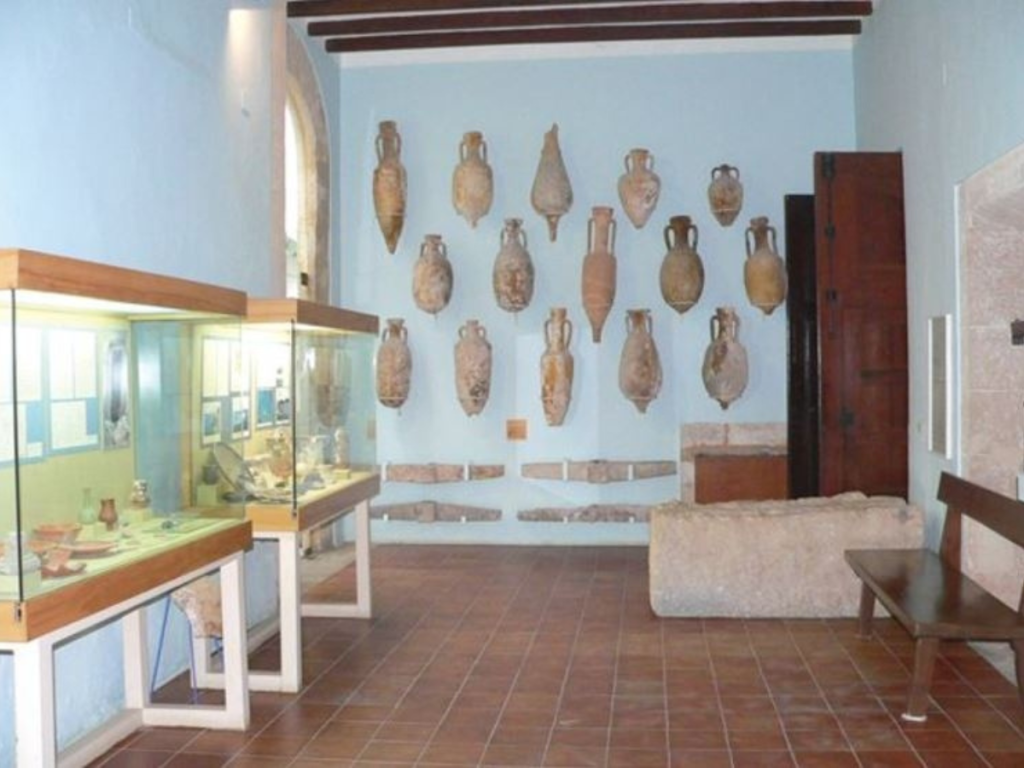
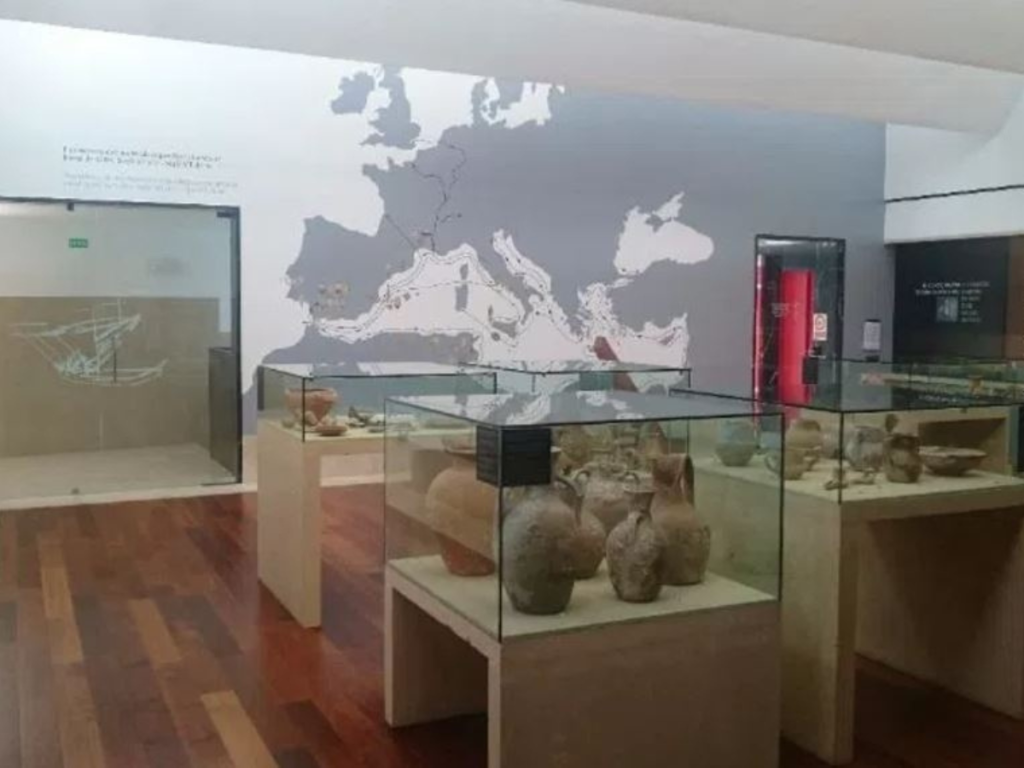
Objects recovered from Jávea’s coastline reveal its long history of seaborne trade. Finds include amphorae, ceramics and anchors, illustrating connections with other Mediterranean communities and the movement of goods such as wine and oil.
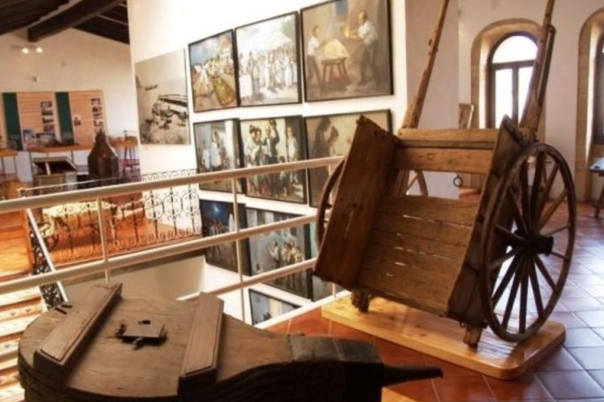
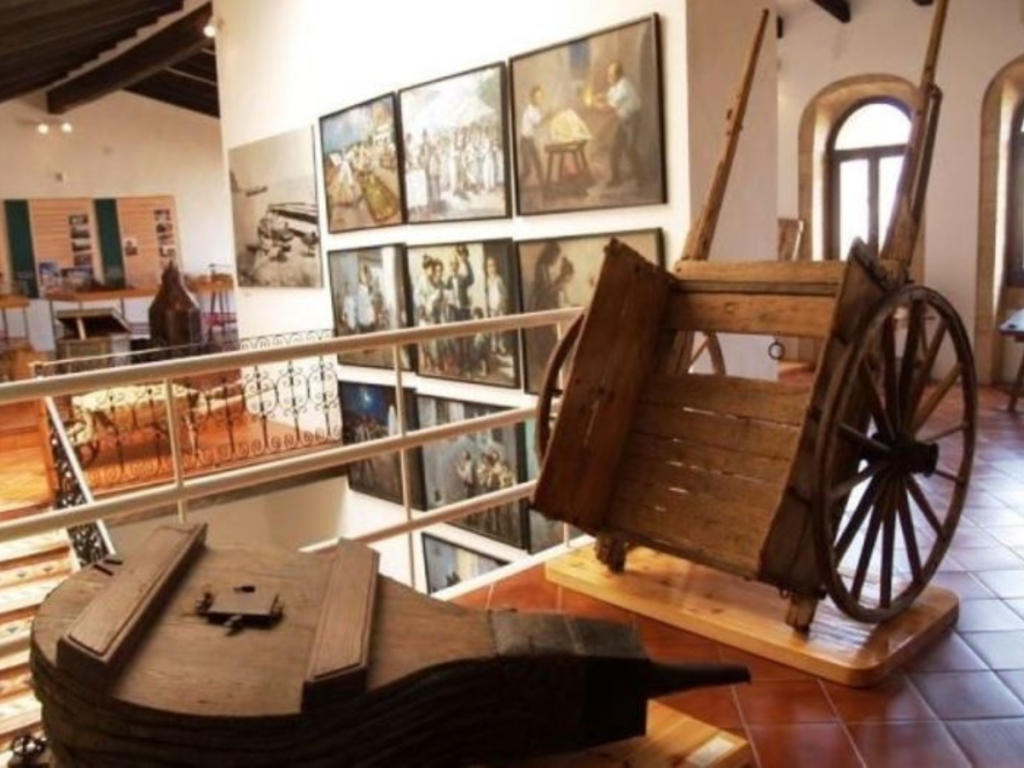
The Herrería de Miñana display features objects from the Miñana family’s former workshop on Carrer Roques.
Look for the forge, bellows, anvils and tools that explain how iron was heated and shaped. The display offers an insight into a trade that supplied agricultural equipment, locks, railings and other everyday necessities.
The museum also displays work by J. B. Segarra Llamas, alongside personal belongings associated with the artist. This adds a different perspective to the archaeological and ethnographic collections.
Alongside its permanent collections, the museum hosts temporary exhibitions and occasional activities. Check the official Xàbia events calendar for the programme during your visit.
For example, the council has advertised special guided museum visits in Spanish, Valencian and English. These are scheduled activities, so check dates and booking requirements rather than assuming tours run daily.
The official Xàbia accessibility guide identifies lift access from the entrance on Carrer Major to the third floor.
Visitors requiring this entrance should contact the museum ahead of arrival to confirm access arrangements. Ask about any specific requirements, including wheelchair access to individual rooms or accessible toilet facilities.
View the official Xàbia accessibility information.
For confirmation of current admission arrangements, contact the museum on +34 965 791 098 or email museu@ajxabia.org.
If organising a school visit, group outing or guided tour, enquire in advance about availability, languages and booking requirements.
The museum makes a useful stop during a visit to the historic centre. Plan time to explore the surrounding streets and nearby landmarks, including San Bartolomé Church and the Municipal Market.
Our Javea Old Town walking guide brings together the main sights to help you organise your route.
Please complete this form to request more information.



 Spanish
 Chinese (simplified)
 Dutch
 French
 German
 Italian
 Norwegian
 Polish
 Romanian
 Russian