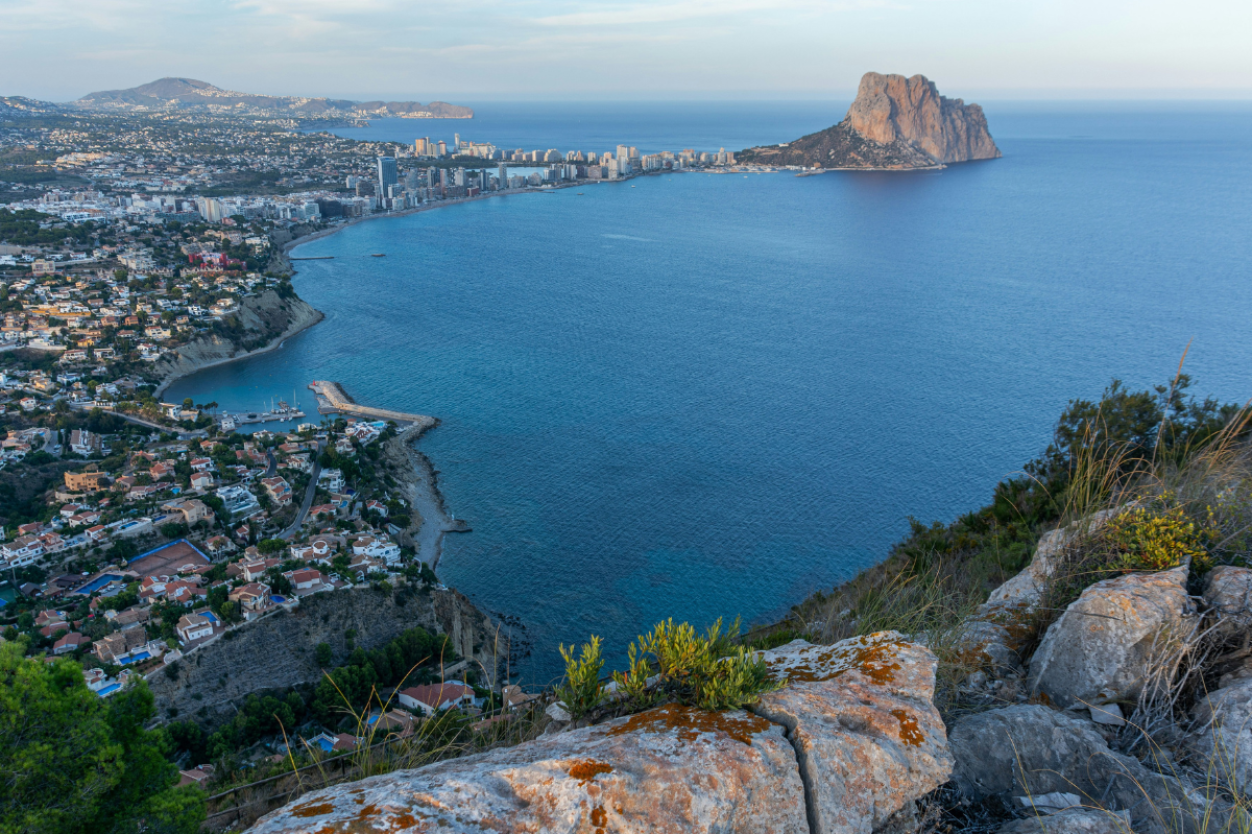
Calpe is at its liveliest during July and August, with warm Mediterranean water, busy beaches, outdoor events and restaurants operating at full pace. It is also the hottest, noisiest and most crowded part of the year. This honest summer guide explains what visitors should expect from the beaches, parking, restaurants, fiestas, transport and Peñón de Ifach, with practical advice for enjoying Calpe during its busiest season.
23rd September 2026
Summer is when Calpe most closely resembles the holiday destination seen in travel brochures.
Arenal-Bol and La Fossa fill with families and sunbathers, the promenades remain active into the evening, restaurants become busier and the town hosts fiestas, music and outdoor entertainment.
July and August can be excellent months to visit - but they are not effortless. Parking becomes more difficult, popular restaurants require reservations and exposed walks can become uncomfortable or unsafe during the hottest part of the day.
This guide explains what Calpe is really like at the height of summer and how to make the busiest months more enjoyable.
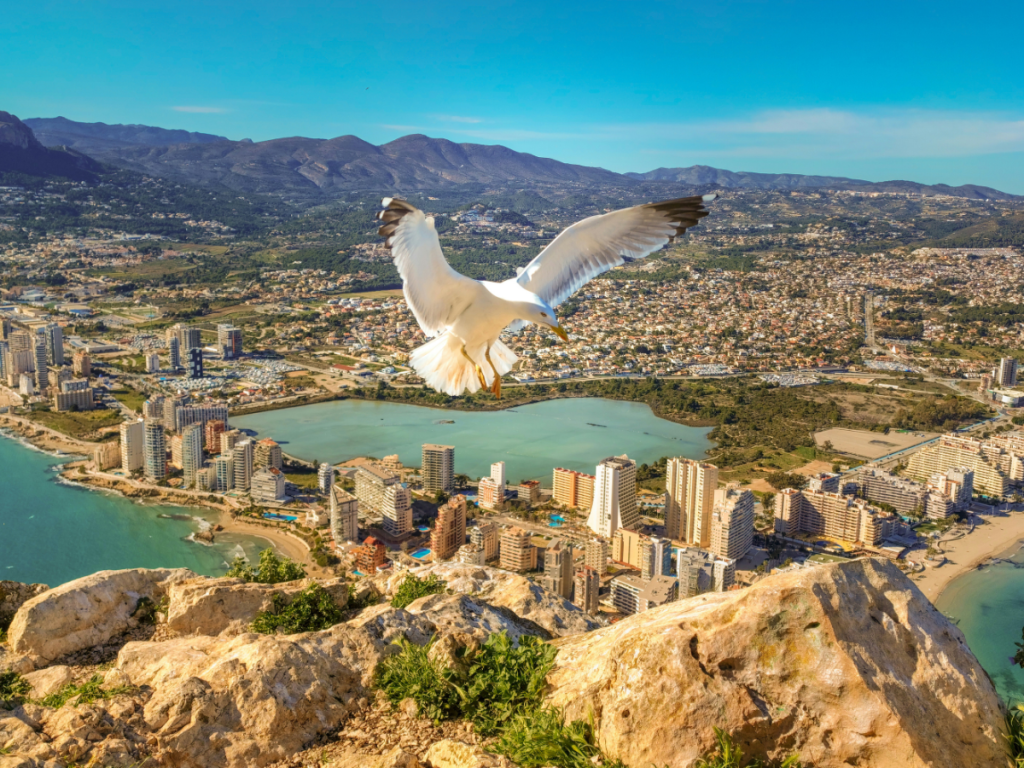
Calpe is substantially busier during July and August than at any other point in the year.
The greatest concentration of visitors is normally found around:
The beaches may feel relatively peaceful early in the morning before becoming increasingly busy from late morning. Weekends and Spanish public holidays create additional demand.
August often feels particularly intense because it combines international tourism with the traditional Spanish holiday period and Calpe’s principal summer celebrations. Exact crowd levels still depend on the dates, weather and events taking place.
If you dislike busy resorts, Calpe may be better suited to May, June, September or October. If you enjoy energy, entertainment and long evenings outside, the peak season may be exactly what you want.
July is firmly within the high season. Expect hot weather, busy beaches and increasing demand for parking and restaurant tables.
The beginning of July can occasionally feel slightly less intense than the weeks surrounding late July and August, although it should never be treated as a quiet period.
July usually brings:
August is normally the busiest and most eventful part of the summer.
The town’s patron-saint festivities, the Virgen de las Nieves, traditionally take place around the beginning of August. They can include processions, music, fireworks, parades and other events.
Activity around 15 August, a national public holiday for the Assumption, can also increase demand for beaches, restaurants and accommodation.
Dates and programmes change annually, so check the Calpe fiesta calendar rather than relying on information from a previous year.
Calpe has 13 kilometres of coastline and 14 officially recognised beaches and coves, ranging from long sandy urban beaches to small rocky shorelines.
The two principal choices are:
Arenal-Bol is the most convenient option for visitors staying in central Calpe. It has fine sand, a long promenade and easy access to restaurants, cafés and shops.
Its convenient location means it becomes extremely popular in summer.
La Fossa provides another long sandy beach, with views towards the northern side of the Peñón de Ifach. The promenade has numerous restaurants, cafés and shops.
Calpe Tourism describes it as a family-friendly urban beach with extensive services.
Cantal Roig is a smaller sandy beach beside the fishing port. Its calm water and nearby restaurants make it attractive to families, but its smaller size means it can fill quickly.
Smaller coves can provide a change from the principal beaches, but they should not automatically be described as quiet summer alternatives.
Many are:
Compare all the options in our Calpe Beaches and Coves Guide.
Arriving early is the simplest way to improve a summer beach day.
An early visit usually offers:
Late afternoon and early evening can also be pleasant once the strongest heat begins to ease.
Avoid leaving towels and possessions unattended to reserve a space for long periods. Take all rubbish with you and follow instructions from lifeguards, police and beach staff.
July and August can bring intense sunshine, high humidity and periods of extreme heat.
Spain’s Ministry of Health recommends drinking water frequently, staying in cool or shaded places, reducing physical activity and avoiding outdoor sport during the central hours of the day.
In practical terms:
Seek urgent medical assistance if someone becomes confused, loses consciousness, develops very hot skin or shows other signs of serious heat illness. Call 112 in an emergency.
The Peñón de Ifach should not be approached like a casual beach walk.
Access beyond the visitor centre is controlled and requires an official reservation. Summer spaces may be booked well in advance, so do not wait until the morning of your planned climb.
Read our Peñón de Ifach booking and hiking guide before attempting the route.
During July and August:
If reservations are unavailable or the weather is too hot, choose an easier coastal walk. The Paseo Ecológico Princesa de Asturias begins near Cala El Racó and provides coastal views without climbing to the summit. The official route is approximately 0.84 miles and is described as a broad pedestrian walkway suitable for families.
Parking is one of the biggest summer frustrations in Calpe.
The most competitive areas include:
Spaces closest to the beaches can fill from the morning. Continuing to circle the same seafront streets is rarely the best solution.
Instead:
Our complete Calpe parking guide explains the main areas, regulated zones and fiesta restrictions.
A car is not essential if you are staying near Arenal-Bol, the town centre or La Fossa and intend to spend most of the holiday within Calpe.
Walking may be easier than driving for short journeys, particularly when parking demand is high.
A car remains useful for:
Calp TRAM station is inland rather than beside the beaches. Visitors arriving by rail normally continue by local bus or taxi. Read our Calpe TRAM station guide before travelling with luggage.
Calpe’s restaurant scene is at its busiest during summer.
Popular seafront venues, Old Town restaurants and tables around the port may be fully booked during desirable evening times.
To make eating out easier:
Spanish dining times may be later than some international visitors expect. Families wanting an earlier dinner should check serving times rather than relying only on Google’s general opening hours.
The fishing port is particularly associated with seafood and traditional rice dishes. Calpe Tourism identifies local specialities including llauna de Calp and arròs del senyoret.
July and August normally feature the most active events programme of the year.
Depending on the annual schedule, summer may include:
See the current Calpe fiesta calendar and monthly What’s On sections before travelling.
Fiestas are an important part of local life, but they can also bring:
Check the programme carefully if your accommodation is near the Old Town or town centre.
Calpe remains a strong family destination because of its sandy beaches, promenades, parks and range of activities. Calpe Tourism also highlights its pedestrian streets, museums, squares and family routes.
Families should nevertheless plan around the heat.
A manageable summer day might include:
Arenal-Bol and La Fossa have provided assisted-bathing facilities during the summer season. Anyone relying on these services should confirm the current dates, hours and appointment requirements before travelling.
The Calpe Old Town is worth visiting, but its slopes, steps and enclosed streets can feel hot in the middle of the day.
Visit during the morning or late afternoon and allow time to stop for drinks. Evenings can be particularly atmospheric when restaurants open and the temperature becomes more comfortable.
During major fiestas, expect the Old Town and central streets to become significantly busier.
The Calpe Saturday Market operates during the morning, but summer visits are more comfortable if you arrive early.
Bring water, wear a hat and distinguish between the general market around Avenida de Rumanía and the produce section around Calle Petit.
Public holidays, fiestas and exceptional weather can affect arrangements, so check for current council announcements.
Choose:
Our Calpe Areas and Neighbourhoods Guide compares the main locations in more detail.
Summer is best for visitors who want:
Another season may be better for visitors who prioritise:
Calpe in summer is busy, hot and occasionally inconvenient - but it is also energetic, sociable and full of things to do. The experience improves enormously when you start early, reserve important activities, avoid unnecessary driving and treat the middle of the day as time to slow down.



 Spanish
 Chinese (simplified)
 Dutch
Dutch French
 German
 Italian
 Norwegian
 Polish
 Romanian
 Russian